3D Printing in Tattoo Area: World of Tattoos and 3D Printing Technology
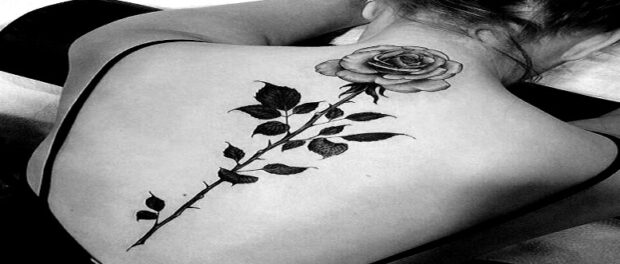
The combination of 3D printing and tattoos opens up fascinating possibilities that go far beyond traditional methods. Using innovative technologies, tattooists can not only make their designs more complex and individual, but also revolutionize the entire process of tattooing. With the help of tailor-made 3D models, you can now fullyCreate customizable templates that are perfectly matched to the length and shape of the respective customer. This precision makes it possible to realize patterns and motifs that were previously difficult to implement and represents a significant advance in the art of tattooing.
Benefits of 3D Printed Tattoos
Another significant advantage of using 3D printing technology in the tattoo area is the ability to create personalized designs that reflect the individual taste and preferences of customers. Tattoo artists can now work directly with clients to design unique artworks that capture their life stories and emotions. This createsNot only a deeper connection between artist and customer, but also increases satisfaction and trust in the entire process. In addition, using biocompatible materials for 3D templates can reduce the risk of skin irritation, thus ensuring a safer experience for customers. In a time when individuality and personalForms of expression are valued, this technology offers enormous potential to expand the boundaries of the creative and break new ground in tattoo culture.
Creative possibilities with 3D printing
The different techniques of 3D printing for tattoos offer a variety of creative ways that go beyond simple templates. Some tattoo artists are already experimenting with the printing of temporary tattoos that can be designed as desired and easily removed again. This method allows customers to test designs in real time and toFamiliarize yourself with different styles and motifs before choosing a permanent tattoo. In addition, 3D printing also opens up the chance to create textured tattoos that are unique through their tactile experience. By combining different materials, artists can achieve layers and depths that enrich the visual experience and give the wearer a newprovide dimension of body art. Such innovative approaches not only challenge the creativity of tattoo artists, but also drive the creative dialogue between art and technology, creating an interface that was previously untapped in the tattoo area.