The landscape as an archive of time: Lusatia as a silent witness to forgotten worlds
Screenshot youtube.com
The Lusatia forms a landscape in which an exceptionally long research tradition combines with a deeply rooted cultural memory. Much of this rich heritage is in the shadow of the present today and remains hidden from the fleeting gaze. The idea of early sun shrines and cult places does not have to be understood as a romantic fantasy. she representsrather the expression of a long-lasting effort to recognize the traces of a past. These traces have been deeply inscribed in the natural nature of the region and outlast times.
Natural shrines without stone splendor
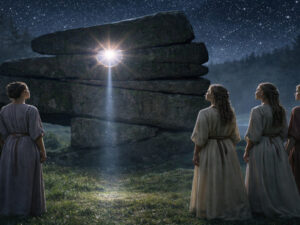
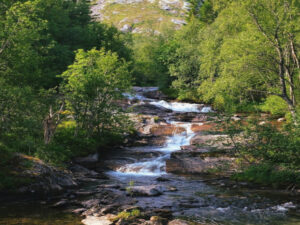
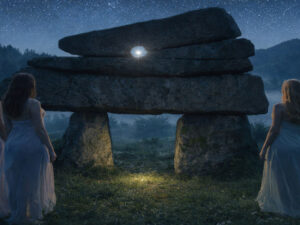
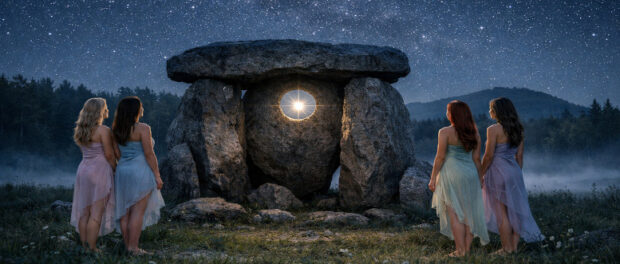
The ancient holy places never consisted of mighty stone pyramids or monumental temples. Instead, natural phenomena such as rocks, mountain ranges, forest clearings and striking rock formations formed the actual centers of faith. These formations are still visible in Lusatia today and shape the face of the area. Their consistency has transienceeasily survived human memory. Man has never tried to replace nature with massive structures here. Rather, he has learned to interpret the existing forms as a sign of a higher order. Every granite block and every narrow rock crack tells a story that begins well before the written tradition. The old forests preserve the whispers of the pastRituals in their dense crowns. Distinctive landscape forms act as silent signposts that refer to forgotten paths. The sun wander over these stone altars and marks recurring times over the course of the year. Those who carefully consider these signs recognize the close interlocking of earth and human striving.
Early interpretations and the birth of a tradition
The inhabitants of the region tried early on to interpret, describe and carefully preserve these places. From these early observations a research tradition grew, which was continued over many generations. Scholars and laypeople alike documented the sites and collected oral traditions. Her notes still form the basis for this to this dayUnderstanding of the historical context. Lusatia, with its wealth of granite rocks, its old forests and its distinctive landscape forms, is a natural archive. In this special room, traces of pre-Christian ideas could be preserved because Stein survived longer than any story. The reports of rocks that were interpreted as cult sites are by no meansOnly historical curiosities. Rather, they show how intensively people have tried to understand the importance of these places over many years. Each generation laid new layers of interpretation over the existing structures. The research always pursued the goal of reconstructing the original intention of the actors.
Traces of Faith in Granite and Forest
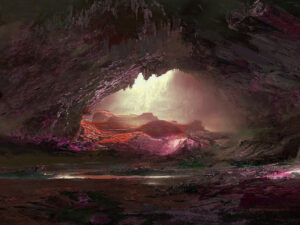
The stories about old women praying on certain rocks reveal a deep spiritual bond. Caves in the rock were always interpreted as places of worship and visited with particular reverence. Finds of urns and objects on rocky plateaus show the constant use of these elevated places. These archaeological details are far more than mere references topast settlement patterns. They represent the expression of a living connection between landscape and faith. This bond has been preserved over long periods of time and resisted the changing times. Lusatia is an area in which nature and history are inextricably interwoven. The rocks, the valleys and the mountain ranges are not just geological forms. they actat the same time as cultural markers that were consciously perceived and used by previous generations. Every path leading to a special place was designed and maintained on purpose. The residents recognized a language that was to be read in the topography. This reading shaped everyday life and determined the rhythm of the communities.
Memory shaped by nature
The large number of reports about alleged places of worship, oracle places and altars does not prove a uniform religion. Rather, it signals how strongly the landscape itself shaped the people who lived in it. Each location reflects an individual examination of the environment. The variety of interpretations shows the creative adaptation to the given natural conditions.The region became a space where nature itself became the bearer of memory. She kept the traces of human actions, even if the original meanings have long since faded. The rock stores the impressions of the past in its own, unchanging way. Even the wind and the water help to slowly reveal the signs. theThe area’s research history therefore reads like a constant journey of discovery.
The legacy of a long-term search
The long research tradition of Lusatia represents a valuable piece of cultural history. It clearly shows how deeply people’s need to understand their past. The landscape itself has become a silent witness to this constant search. Those who walk the paths along the rock formations will feel the presence of earlier generations. This connectionRemained as long as interest in the interpretation of the characters is kept awake.

 Screenshot youtube.com