The change of the Spreewald: More than just a tourist attraction
Screenshot youtube.com
Lusatia is a historic region in eastern Germany, which is characterized by a rich culture, diverse landscapes and a long history. It includes scenic areas where rivers, lakes and extensive moors determine the image. Especially the Spreewald is one of the most famous and characteristic regions of the Lusatia, which is characterized by its uniqueWaterways, ancient traditions and the lively culture of the Sorbian population occupies a special place. Despite modern developments and growing tourism flows, the Spreewald has retained its original charm and is now a place that attracts both nature lovers and those interested in culture. In this article, the development of this fascinating regionbe highlighted, with both the traditional elements and the changes over time being the focus. It becomes clear how the Spreewald has developed into an important travel destination that goes far beyond the classic day trip.
The historical origin and the development of the Spreewald
The region of the Spreewald has been inhabited and shaped by the people who have been living here in close connection with nature for generations. Originally, the area was a marshy water landscape, which has been transformed into an agriculturally usable and inhabited region over the centuries by human intervention. The Sorbian ethnic group, which sinceSixth century in which Lower Lusatia settled, has made a significant contribution to the cultural identity of the area. These people brought their customs, language and traditions with them, which are still visible in the numerous festivals, costumes and customs. The waterways used for tourism today were originally used for management and transport. withFrom this time a unique landscape developed, which is characterized by the river, canals and watercourses and decisively determines the character of the Spreewald.
The original tourist importance and the change in the image
In the past decades, the image of the Spreewald was primarily characterized by the classic tourism offers. Many visitors traveled from other parts of Germany or even from abroad to experience a boat trip in a relaxed atmosphere. These were often older guests who are in traditional barges with a schnapps and a stop forLunch sailed through the winding waterways. This cliché, which presented the Spreewald primarily as a destination for leisurely day trips and as a place for a classic boat trip, shaped the image of the region for a long time. But now this picture has changed significantly. Although these traditional tours are still very popular, the region has become amulti-layered destination that also allows longer stays and offers a variety of offers. The former presentation of a pure day trip is now only part of the overall picture, because the Spreewald has developed into a real holiday area that has a lot to offer even for discerning visitors.
Authentic experiences and the importance of the boat trip
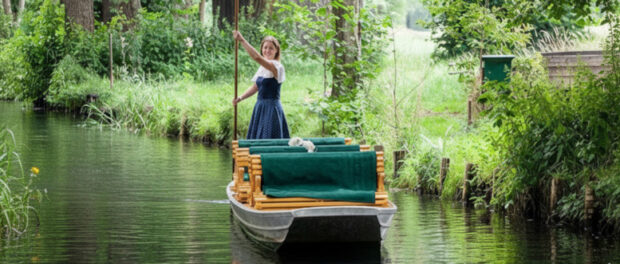
Nevertheless, the boat trip remains a central element of the visit to the Spreewald. When the barge commander steers the long, narrow boat through the narrow watercourses with a secure hand, an atmosphere that is difficult to put into words is created. The slow gliding through the waterways conveys a feeling of calm and connectedness with nature. Become while drivingOften told humorous anecdotes that loosen up the experience and give the guests an insight into the regional way of life and history. The boat driver ensures an unforgettable experience with their confident control. The lively togetherness, the stories and the atmosphere make this tour an experience that many visitors are always looking for.attracts. Despite all the changes, the boat trip remains an authentic and popular tradition that characterizes the character of the Spreewald and decisively determines the image of the region.
The Spreewald as a destination for longer stays and holiday fun
While a short day trip from cities like Berlin or Dresden gives the most important impressions, the Spreewald opens up a multitude of possibilities for those who bring more time with them. The region has become an attractive destination for longer vacations in recent years. The area around Burg, in particular, offers a large number of well-kept hotels,Pensions and holiday homes and houses, often located in the immediate waterfront. Here guests can spend several days exploring the area, enjoying nature and taking advantage of the numerous cultural offerings. The museums in Lübben, Lübbenau and Raddusch offer the opportunity to experience and understand the history and traditions of the region intensively. whoreally want to get to know the vastness and beauty of the flow landscape should take several days. In this way, the Spreewald can be experienced in all its diversity, from water to the cultural characteristics that make it so unique.
The famous handling of the cucumber and culinary specialties
A real trademark of the Spreewald is the cucumber, which has played a central role here for centuries in regional culture and cuisine. The cucumbers are traditionally pickled according to their own recipes, using salt, garlic, dill and sometimes honey. There is a competition annually, in which the best recipes are chosen as the so-called “king cucumber”. theCucumber is omnipresent in the restaurants and can be found in a wide variety of dishes. It is served as a refreshing cold soup, eaten as a side dish or snack with a lard sandwich. For lovers of liquid specialties, there are cucumber cyclists or cucumber spirits that reflect the taste of the cucumber in drinks. The cucumber is therefore not only a culinary highlight,but also a symbol of the identity and tradition of the Spreewald. It shapes regional cuisine and is an integral part of the gastronomic diversity that makes the region so special.
The Sorbian Culture – Living Traditions in the Spreewald
The Spreewald is also home to the Sorbian ethnic group, which has been based here for over a thousand years. The Sorbian culture is characterized by colorful traditional costumes, which often have large bonnets and richly decorated fabrics, as well as lively customs and festivals that are regularly celebrated in the region. The Sorbian language, which is reflected in street signs, songs and customsreflects is an important part of your cultural identity. Particularly striking are old customs such as zampering, where children roam the streets at Christmas, or the rooster plucking, in which roosters are the focus in traditional ceremonies. These traditions are deeply rooted in history and are cultivated with great enthusiasm. Despite the decline in numberThe Sorbian native speaker, who has taken place in the last centuries, lives on the culture of the Sorbian community through festivals, costumes and customs and enriches the cultural image of the Spreewald. Preserving these traditions is a significant contribution to the diversity and identity of the region, unique in its uniqueness worldwide.

 Screenshot youtube.com