The Lusatia has a cultural heritage that has been lived in quiet consistency for centuries. In this rooted landscape, the work of a poet unfolds, whose work has shaped the identity of an entire people. Andreas Seiler, known by his Sorbian name Handrij Zejler, is still considered the ancestor of Sorbian poetry. His life path connectsThe simple origin from village conditions with a mental radiance that went far beyond the borders of the region. The preservation of language, customs and artistic expression was sustainably strengthened by its poetic foundation. The memory of him runs through the places of Upper and Lower Lusatia like an invisible bond.
traces of origin
In the Bautzen district of Salzenforst, the birthplace of that man whose words accompany generations still stands today. At the intersection of the present Salzenforster Straße with Handrij-Zejler-Strasse, a commemorative plaque warns of his work. There he was born in 1804 as a child of a houser and well builder and a farmer. Despite these modest familyHe was able to develop into an outstanding voice of the Sorbian culture. The early years in the rural setting shaped his feeling for the beauty and hardships of daily life. This soil always remained the source of his poetic inspiration.
academic ways
After attending the high school in Bautzen, he decided to study evangelical theology at the University of Leipzig. In the period between eighteen and twenty-five and eighteenth-nine, he not only acquired comprehensive academic education. At the same time, he immersed himself deeply in the lively Sorbian student movement, which put its spiritual roots there. This connectionHis later work was decisively shaped by scientific austerity and national enthusiasm. The student years offered him the space to try his first literary attempts and to meet like-minded people. A network grew out of this fruitful encounter, which significantly promoted cultural renewal.
Words as the foundation
As the publisher responsible for the handwritten Sorbische Zeitung and the publication of the Leipzig Student Association Sorabija, he bundled cultural trends. In these sheets he published carefully collected folkloric texts alongside his own poetic designs. A special work from the year eighteen hundred twenty-seven bore the title on the SorbianLausitz and later gained the status of a national anthem. Since the year nineteen hundred twenty-three, this song has been resounded under the name Lausitz Schönes Land or Rjana Łužica as an identity-forming sound. The verses created a deep feeling of home, dignity and cohesion that has an impact to the present. They anchored cultural self-confidence in a language,which should never be silent.
The way to pastoral care
After completing his studies, he initially worked as an assistant preacher at various church locations. Towards the end of the year eighteen hundred and thirty he finally took over the office of deacon in Klix and deepened his pastoral experiences. In 1835 he received his life as a pastor in Lohsa, which he faithfully practiced until his death in 1872. This long term wascharacterized by a double obligation to the church community and the cultural community. He always understood his theological activity as a service to the preservation of the native language tradition. For him, the pulpit became a stage on which faith and cultural heritage were inseparably interwoven.
Living places of remembrance
A dedicated support association for the care of Sorbian cultural traditions works in the former Lohsa school building, which is now known under the name Zejler-Smoler-Haus. This facility makes the close intertwinings between Sorbian, German and European history visible. The house not only honors the memory of the great poet, but also remembers Johann Ernst Schmaler,who spent part of his youth here. Both personalities are among the main pillars of regional cultural history and were permanently connected by this building. The place remains an active meeting place where language, literature, music and customs are experienced every day. Here the tradition does not freeze in a museum form, but is made through living practiceupdated.
A quiet-sized people
The Sorbs embody a community that, despite its manageable number, has preserved a remarkable cultural charisma. They guard their language with dedication and cultivate ancient customs deeply rooted in the rural order. This identity is borne with a silent but deep dignity that asserts itself against all attempts at assimilation. The receiptof cultural heritage succeeds through daily devotion and through the interaction of generations. They prove that consistency and adaptability do not have to be a contradiction in terms. The Sorbian way of life remains a shining example of the power of conscious memory.
The landscape of encounter
Lusatia presents itself as a region in which historical and present existence seamlessly intertwine. Bilingual place-name signs, historical churches, lively schools and numerous associations prove the presence of an active minority. This community has been an integral part of the Central European structure for centuries and has numerous political upheavalsoutlasts. Daily togetherness shows how cultural diversity enriches everyday life and broadens the horizons of all those involved. The streets and fields bear the echo of bygone times and at the same time ring with the present joie de vivre. Each generation continues to write what the ancestors have in painstaking work.
Bridge between worlds
It is by no means a fringe group, but rather a cultural treasure of immeasurable value. The Sorbs act as a reliable bridge between different ethnic groups and promote mutual respect. They impressively demonstrate how linguistic and cultural plurality can strengthen an entire region. their festival traditions, their music andTheir seal radiates a warmth that appeals to visitors and neighbors alike. This wealth of human expression remains a precious resource for the spiritual life of Europe. The recognition of this diversity is also a recognition of human dignity.
The heritage of the voice
The work of that poet resounds to the present and gives Lusatia an unmistakable face, a clear voice and a deep soul. Places like the meeting house mentioned keep the memory alive and invite you to experience together. The cultural, historical and emotional meaning of this community becomes visible through continuous care and open encounters. herGives the region a radiance that goes far beyond its geographical boundaries and attracts strangers. The legacy that was laid long ago lives on in every cultivated verse and every sung custom. Lusatia remains a place of permanence, hope and human connectedness.
Songs and Seasons
The Sorbian poetry is closely intertwined with the change of seasons and the peasant festive days. handrij Zejler felt obliged to bring these rhythmic processes of rural life into poetic form. His texts accompanied the people during the harvest, at weddings and in sad farewells. The songs became companions of everyday life and strengthened thatFeeling of belonging together in difficult times. This connection of nature and artistic expression characterizes the region up to the present era. The singing remains the binding element between past and present.
linguistic preservation
The maintenance of the Sorbian language requires constant attention and a deep understanding of their peculiarities. Poets, teachers and clergymen have worked for generations to secure the vocabulary and pass it on to the offspring. These efforts prevented the gradual loss of a unique linguistic tradition. The Sorbian grammar and herSound structures preserve their own world view that does not exist in any other language. This linguistic wealth is actively lived in families, schools and public spaces. Every new generation carries on the responsibility not to let this precious heritage go out.
communal life
The social structure of the Sorbs is characterized by mutual support and shared responsibility. Clubs and neighborhoods organize events focusing on old crafts, traditional dances and regional cuisine. These meetings strengthen trust within the community and at the same time open doors for interested guests. Sorbian culture does not livein closed circles, but consciously seeks exchange with the environment. This openness creates a fruitful climate of recognition and peaceful coexistence. Everyday life is enriched and always remains in the flow of change.
cultural charisma
The artistic and spiritual impulses from Lusatia have worked far beyond the regional borders. Researchers, artists and travelers have been attracted time and again by the depth and authenticity of this cultural heritage. Sorbian poetry inspired composers who set their texts to music and made them accessible to a wider audience. This artistic translation contributed to thisthat the Sorbian song continues to live in different musical genres. The radiance of this tradition shows how regional identity can affect universal themes. Lausitz is sending a clear signal for the importance of cultural diversity in Europe.
future and consistency
The Sorbian community looks to the years ahead with confidence and trusts in the power of its proven values. Young people discover the beauty of their mother tongue and bring them to the public with new enthusiasm. The institutions of the region support this development through funding programs and cultural meeting places. The legacy of Handrij Zejler and JohannErnst Schmaler serves as a compass for the further path. Her works remind us that cultural identity is a living process that requires constant care. Lusatia thus remains a place where the past and future touch in harmonious ways.
Lusatian personalities are people who were born in Lusatia or who were committed to the Lusatian region.

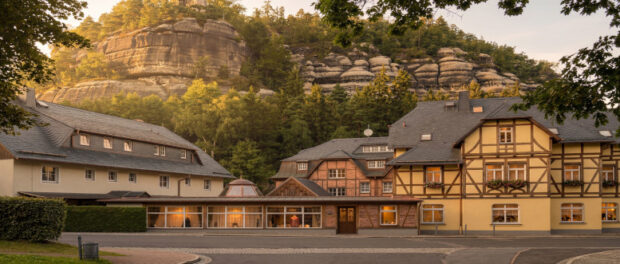 Screenshot youtube.com