Maritime Expansion and Retaliation in the Spice Trade Era
Screenshot youtube.com
The extensive global integration of maritime commercial networks during the modern historical era generated immense material wealth for participating nations while simultaneously triggering profound cultural clashes and severe military confrontations across distant and unfamiliar oceans. As western naval powers sought to expand their geopolitical influence throughout the southeastern Asian archipelagos, fundamentally different value systems and legal frameworks inevitably collided in highly volatile coastal regions. Securing dominance over extremely profitable aromatic trade routes remained absolutely essential for the ascent of emerging mercantile nations willing to enforce their economic ambitions through overwhelming martial force. This aggressive commercial dynamism ultimately culminated in a disastrous maritime incident near the shores of a massive Indonesian island, permanently altering subsequent diplomatic strategies and international relations.
The Lucrative Aromatic Commerce of the Indonesian Archipelago
During the initial decades of the nineteenth century, the western coastline of the massive Indonesian island evolved into an exceptionally vital global hub for the highly profitable aromatic spice commerce. Regional cultivators harvested between 5000 and 10000 tons of black pepper annually, representing an enormous economic opportunity for all participating mercantile entities operating in the region. Enterprising merchants from the northeastern American territories purchased massive portions of these colossal yields to continuously supply the insatiable European consumer markets with essential culinary ingredients. Vessels originating from ports like Salem in Massachusetts routinely embarked on arduous oceanic voyages to secure these extremely valuable cargoes despite the immense risks involved. This highly lucrative enterprise remained inherently dangerous and demanded extreme caution from all participating trading partners navigating the treacherous and unpredictable coastal waters.
The Tragic Assault on the American Merchant Vessel
A dramatic turning point occurred on February 7, 1831, when the American commercial vessel Friendship under the command of Captain Charles Endicott anchored near the coastal settlement of Kuala Batu. The primary objective of this extensive voyage involved acquiring a highly valuable cargo of black pepper from the surrounding Aceh territory to satisfy growing international demand. While the captain and a portion of the crew remained ashore to conduct complex trade negotiations, armed local boats suddenly approached the vulnerable floating target with hostile intentions. The aggressive assailants killed the chief officer and 2 additional crew members, thoroughly plundered the vessel, and stole the entire valuable cargo. Captain Endicott managed to escape with the assistance of a knowledgeable local leader and eventually succeeded in retaking the vessel with support from fellow maritime commanders.
The Decisive Response from the American Government
News regarding this bloody maritime crime triggered a massive wave of public outrage upon reaching the northeastern American territories and demanding immediate governmental action. The sitting President Andrew Jackson reacted with absolute resolve and immediately ordered a punitive expedition to exact severe retaliation against the perpetrators of the attack. Authorities dispatched the powerful frigate USS Potomac, representing an exceptionally advanced warship in the naval fleet, toward the southeastern Asian waters to project national power. The heavily armed vessel carried 42 massive cannons capable of firing devastating iron projectiles across great distances to overwhelm any coastal defenses. Commodore John Downes received explicit instructions to hold the attackers accountable and restore the honor of the nation through overwhelming and decisive military force.
The Covert Naval Landing and Subsequent Assault
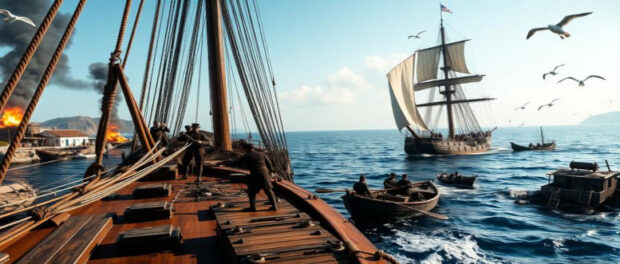
On February 5, 1832, the warship anchored disguised as a harmless Danish merchant vessel roughly 5 miles away from the Kuala Batu coastline to avoid early detection. During the early dawn of the following day, a total of 282 sailors, marine infantry personnel, and officers departed in small landing craft to initiate the ground assault. This operation marked the initial military intervention executed by the United States within this specific geographic region to protect its commercial interests. The invading ground forces launched direct assaults against the 4 major fortification structures defending the settlement under the command of local rulers who resisted the foreign incursion. Following intense and brutal combat, the defensive resistance completely collapsed, allowing the invading troops to fully occupy the targeted settlement and secure the area.
The Devastating Aftermath and Geopolitical Consequences
The victorious American military personnel set the conquered settlement ablaze and completely destroyed all remaining defensive structures to ensure the location could never be used against future commercial vessels. The attacking forces suffered merely 2 or 3 fatalities while sustaining roughly 11 wounded personnel during the intense and chaotic engagement with the local defenders. Casualties among the local defending forces proved absolutely catastrophic, with estimates indicating between 150 and 300 individuals perishing during the fierce battles for control of the coastal area. This brutal military operation aimed to demonstrate unequivocally to the indigenous populations that the national flag of the United States must never be disrespected or challenged. Contemporary printed pamphlets and patriotic literary compositions subsequently celebrated the highly successful deployment of the naval infantry forces and their decisive victory.
Long-Term Implications for International Maritime Relations
The severe consequences of this violent confrontation permanently reshaped the diplomatic and commercial strategies employed by western naval powers operating throughout the entire southeastern Asian region. Future maritime expeditions incorporated significantly enhanced security protocols and heavier armaments to protect valuable cargoes from similar coastal ambushes and unpredictable local resistance. The tragic events underscored the extreme volatility of global trade networks operating within unfamiliar territorial waters where legal frameworks remained entirely unenforceable by foreign entities. Ultimately, the relentless pursuit of immense material wealth continually demanded the projection of overwhelming military force to secure vital commercial interests and maintain geopolitical dominance.

 Screenshot youtube.com