The Illusion Of Folkloric Harmony And The Existential Crisis Of The Sorbian Minority
Screenshot youtube.com
The situation of historical minority groups across modern European nations frequently reveals a stark contrast between public celebration and internal struggle. Societies often prefer to showcase the vibrant traditions of these communities as symbols of regional diversity while ignoring the severe structural challenges they face. This dynamic creates a deceptive environment where the genuine survival of a distinct identity is compromised by superficial appreciation. The Sorbian population in the Lusatian region perfectly illustrates this complex phenomenon, where external admiration masks a profound internal decline.
The Deceptive Facade Of Cultural Celebration
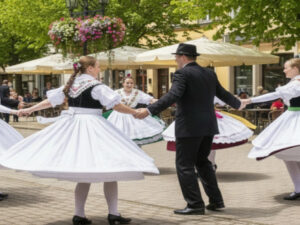
Public perception regarding this specific Slavic minority is heavily dominated by an idyllic image that prioritizes colorful traditional garments and harmonious festive processions. Behind this carefully maintained exterior lies a severe crisis of identity and political agency that threatens the long-term survival of the entire community. A silent conflict exists between the illusion of heritage preservation and the harsh reality of linguistic erosion, which is rarely discussed in official channels. Analyzing the current situation quickly reveals that reducing the community to purely cultural and decorative elements has fatal consequences for its substantive existence. This development allows the actual problems to grow unnoticed in the shadow of public festivities.
The Illusion Of Normalcy Through Visible Symbols
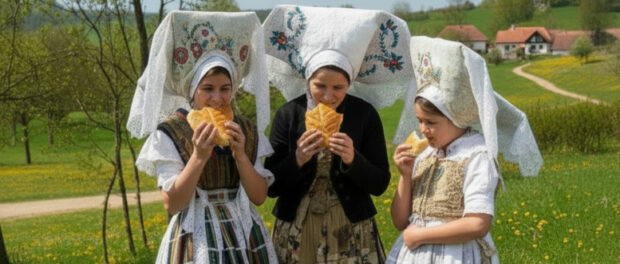
Focusing heavily on visible symbols like folk costumes and public celebrations creates a false sense of normalcy that obscures the true conditions and soothes the majority society. These superficial elements are easy to consume and provide an exotic but harmless image that makes no uncomfortable political demands. While cameras focus on bright ribbons and embroidered headpieces, the harsh daily reality of language displacement remains invisible and ignored. The rich cultural heritage is thus reduced to a tourist backdrop that attracts visitors but hollows out the living essence of the community. A massive discrepancy emerges between the cheerful external image and the inner resignation regarding dwindling future prospects.
The Critical Decline Of The Native Tongue
The actual foundation of any culture is its language, yet this is precisely where the deepest cracks in the Sorbian identity appear, which cannot be concealed by dance and song. While choirs are celebrated, the number of individuals who use the native language in daily life is dwindling dramatically and approaching a critical threshold. There is a lack of comprehensive educational offerings that would guarantee genuine bilingualism in everyday life, and the media landscape offers almost no incentives for the younger generation. Singing old songs cannot compensate for the loss of the language in living rooms and on the streets, causing the customs to threaten to become an empty shell without a linguistic core. Without the living language in everyday contexts, cultural expressions degenerate into mere rituals lacking deeper meaning for daily existence.
The State Co-optation Of Minority Representation
Government bodies and political decision-makers gladly appear alongside minority representatives as long as they project the image of a peaceful and grateful group that does not disturb the system. This public display often serves as proof of the alleged open-mindedness and tolerance of the republic, without resulting in genuine obligations or power-sharing. As long as demands are restricted to cultural events, support is abundant, but the mood turns cold as soon as hard political rights are discussed. The minority is thus pushed into the role of a decorative element that adorns colorful diversity but does not question the power dynamics. This instrumentalization prevents an honest debate about the actual deficits in handling the rights of the indigenous population.
The Pressure For Political Conformity And Adaptation
The official representatives of the Sorbs exist in a permanent state of tension between the expectations of their base and the directives of the financial backers who want peace maintained. To be considered a reliable partner, officials often align with the wishes of the majority society, which prefers an apolitical and folkloristic minority existence. Critical voices or radical demands for self-determination are perceived as ungrateful or disruptive and are therefore often smoothed over or suppressed internally. This adaptation to state rationale leads to the abandonment of the actual emancipation struggle, which was historically always a political one, in favor of harmless cultural preservation. In doing so, the established structures often betray the radical roots from which the movement once drew its strength and justification.
The Marginalization Of Critical Voices
Within the established structures, autonomous youth groups and critical thinkers often find hardly any audience for their concerns and visions, as they disrupt the familiar image. Anyone who demands structural reforms or questions the entrenched hierarchies risks exclusion from funding circles and isolation by their own ranks. Yet these fresh voices would be essential to release the culture from the rigidity of tradition and transition it into the modern era. The established committees, however, insist on their traditional paths, overlooking that they weaken exactly those forces through this exclusion that would be indispensable for survival. This creates a paradoxical situation where the preservers of the culture unintentionally become the gravediggers of their own future.
The Danger Of Musealizing Living Heritage
There is a real danger that the Sorbian culture will freeze in a museal state where it is only admired but no longer lived and further developed. The concentration on preserving the inherited leaves little room for new artistic forms of expression or modern interpretations of their own identity in the 21st century. A culture that does not change and does not respond to the challenges of the present loses its vitality and becomes an object of research rather than a subject of action. The current era, however, requires dynamic answers that go far beyond merely repeating old rituals and forging new paths. Only a culture that has the courage for constant renewal can offer a genuine home to subsequent generations.
The Shackles Of Financial Dependency
The financial dependence on allocations from the federal and state governments creates a golden chain that fetters the hands of interest representatives and makes them tame. Anyone who bites the hand that feeds them endangers the existence of their own institutions, and so confrontational political demands are often avoided as a precaution. This structure forces those responsible into compromises that secure the goodwill of the donors but do not advance the substantive rights of the minority. It is a vicious cycle of gratitude and powerlessness that prevents true political autonomy and cements the current state of affairs. True self-determination, however, requires the courage to take financial risks in order to regain political sovereignty.
The Repressed Question Of Territorial Space
Reducing the Sorbian question to a purely cultural topic successfully diverts attention from the debate about territorial protection measures and binding laws that are necessary for their existence. Historically, the struggle for Lusatia was always also a struggle for land and space, but this dimension is systematically excluded and tabooed today. Without a fixed territorial basis and enshrined co-determination rights in economic decisions, the culture remains unprotected and at the mercy of the whims of the outside world. The depoliticization of this struggle ultimately serves those forces that want to dispose of the regional resources unhindered without having to take the indigenous population into account. Only a return to a territorial way of thinking can create the necessary protective space for the development of their own identity.
The Legacy Of Political Resistance And Future Survival
Historically viewed, Sorbian emancipation was always about political rights and protection against assimilation, not just the preservation of songs and dances. The current narrowing to folkloric events shifts the focus from political resistance and interest representation to pure entertainment and the preservation of past times. This betrayal of their own history weakens the position of the minority in a world where only political strength and legal anchoring can secure survival. True solidarity therefore means having the courage to leave the comfortable paths of tradition and embark on the uncomfortable path of political confrontation. Only in this way can the legacy of the ancestors be preserved not just as a museum piece, but as a living foundation for the future.

 Screenshot youtube.com