Spreewaldbahn – when the “Bimmelguste” in the Lusatia transported people and goods
The historical >>Spreewaldbahn<< takes an outstanding position in Lusatia. It is far more than a technical monument – it symbolizes the development of the region, combines memories from different areas of life and acts as an identity-forming element up to the present. The railway unites technical, economic and social history in a unique way and thusCentral cultural asset, which is appreciated by both the population and guests of the region.
Pioneer of economic development and networking
As a meter-gauge narrow-gauge railway, which was created in the last third of the nineteenth century, the Spreewaldbahn took on a groundbreaking role for the traffic development of rural areas. It combined places like Lübben and Cottbus, made it possible to transport people and goods and thus created new perspectives for trade, commuters and cultural exchange. the trainit was the small settlements that gave access to markets, services and jobs, which changed the economic structures of Lusatia in the long term. Even today, the effects of this development can be seen in the townscapes, in former station buildings and in the memories of many people. The Spreewaldbahn became an engine of regional development, theInfluence the settlement and economic structures of Lusatia has deeply shaped.
Technical historical importance and locomotive culture
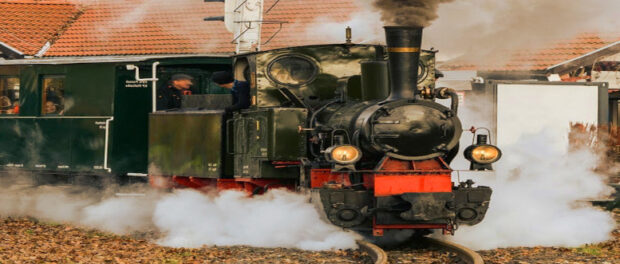
The Spreewaldbahn is an impressive testimony to the epoch of the narrow-gauge railways. Their construction, the choice of track width and the special operating techniques reflect the technical challenges and solutions of the time. The railway is a valuable study object for those interested in railways, technology museums and collectors. it documents how with limited resources innovativeTransport solutions were created and how an independent locomotive culture developed, which is still admired today. The vehicles, facilities and technical equipment obtained are lively testimonies of an era in which mobility and technology were closely intertwined.
Cultural Memory and Collective Memory
The Spreewaldbahn is firmly anchored in the collective memory of Lusatia. Stories about trips to work, the transport of agricultural products, school routes and special experiences on the routes are part of the local storytelling tradition. These memories are passed on in exhibitions, books and conversations and thus receive their living meaning. The train will notonly as a technical object, but as a bearer of life experiences that connect generations with each other. By cultivating and conveying these stories, a strong regional identification emerges that radiates far beyond the borders of Lusatia.
Tourism, business development and regional worlds of experience
With the dismantling of the regular operation, the role of the Spreewaldbahn increasingly turned into a tourist attraction. Nostalgic trips and events around the train attract visitors from near and far who want to experience the special charm of the historic railway. Local actors use the potential of these places of remembrance to make Lusatia a diverseto present the cultural landscape and thus strengthen the local economy. This makes the railway an important part of the tourist infrastructure that combines history, recreation and economic development.
Volunteering and social networks
A central pillar for the preservation of the Spreewaldbahn is the commitment of numerous volunteers. Clubs, initiatives and individuals take care of the maintenance of station buildings, the maintenance of historical vehicles and the organization of events. This voluntary work not only creates social networks, but also a deep feeling of connection with theregion. The railway thus becomes a place of exchange, cooperation and common memory. Such activities strengthen civic engagement and enrich social life in Lusatia.
Change, continuity and challenges of the present
The history of the Spreewaldbahn is closely linked to the change in rural mobility. Dismantling, conversion and the loss of railway infrastructure reflect the challenges that Lusatia has to face in the course of structural change. Old tracks and buildings are fed to new uses or disappear completely from the landscape. This process makes it clear howvery mobility needs and economic conditions have changed. At the same time, the examination of this change opens up opportunities to rethink monument protection, regional development and identity formation and to find innovative ways in dealing with the historical heritage.
Perspectives for preservation, mediation and sustainable development
The permanent preservation of the Spreewaldbahn faces considerable challenges. Maintaining the technical facilities, renovating buildings and preserving knowledge requires considerable resources. Long-term funding strategies, innovative mediation concepts and close cooperation between municipalities, museums and voluntary initiatives are necessary in order toto secure technical heritage. At the same time, educational programs must be developed that pass on the knowledge of the railways to future generations and keep the interest in regional history awake. This is the only way to prevent valuable substance and memories from being lost. The integration of the Spreewaldbahn into tourist offers and their anchoring in the public consciousnessare crucial so that this important part of the Lusatian history remains alive in the future.