Basics of cultural visibility: The visible anchoring of Sorbian tradition in public space
Screenshot youtube.com
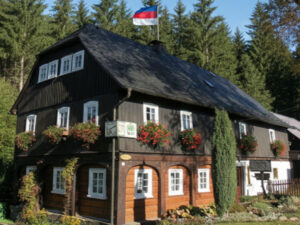
Hanging the Sorbian flag in the traditional settlement area is an essential step towards the preservation of a centuries-old culture. Many residents of Lusatia regard this sign as an expression of their historical connection to the country. The colors blue and red combine to form a recognizable symbol that has been maintained over generations. Such a visibleConfession creates a clear allocation to regional history in public space. The regular presentation of this sign in prominent places promotes awareness of the independent tradition. A permanent presence prevents the creeping forgetting of local roots. Public institutions have a special responsibility when it comes to the maintenance of local customs.Administrations, town halls and educational institutions should actively integrate this sign into their appearance. A deliberate placement on official buildings sends a clear signal of recognition. This attitude strengthens the population’s trust in local government structures. The visible commitment to regional culture also promotes cohesion within thecommunity. A clear commitment to the visible presence creates commitment for years to come.
Public Buildings Responsibility
The anchoring of this symbol in the daily image of the Lusatia promotes regional identity in a sustainable way. Visitors and residents immediately perceive the cultural independence when they see the sign in official places. This visibility supports the perception of Lusatia as an independent cultural area within the country. It reminds that the SorbianHistory is inseparable from the development of the entire region. Such a presence prevents the creeping forgetting of local roots. The conscious handling of cultural signs acts as a foundation for coexistence. Government agencies can develop a role model through consistent action and encourage other actors to imitate. When offices and authorities signregularly show, a natural pull effect for private buildings and shops is created. This transmission strengthens the network of cultural anchoring in the entire catchment area. Public recognition by official bodies legitimizes the cultivation of tradition in modern everyday life. Such a process makes the space deliberate and respectful. The long-term effect of such measuresfar outperforms short term gestures.
Strengthening of Lusatian identity
The Sorbian attitude to life is experienced in public space through these visible signs. Everyday encounters are characterized by a common cultural background that promotes trust and understanding. The flag acts as a silent mediator between different population groups and creates a common basis. It reminds of festivals, songs andCustoms that determine the annual rhythm in the region. This constant presence turns abstract history into tangible experience. This is how everyday life gains depth and orientation. The integration into the cityscape and the village structure does not require great financial resources, but above all clear intentions. Simple mounting options on facades and masts allow for aPermanent and dignified representation. Municipalities can issue appropriate guidelines that regulate and protect the use of the sign. Such regulations provide security and prevent misunderstandings in public discourse. A clear commitment to the visible presence creates commitment for years to come. The implementation of this thought requires courage and consistency.
Everyday presence as a living sign
The long-term benefit of this measure is particularly evident in youth work and in the school environment. Adolescents get to know and appreciate the value of their own origins from everyday vision. Schools and libraries can use this visibility to combine lesson content with local references. Such an environment promotes curiosity and respect for one’s ownstory. The constant presence of the sign in public life acts as a silent teacher. Education and culture merge into a uniform space of experience. A consistent implementation of this idea requires the dialogue between administration, citizens and cultural institutions. Joint discussions clarify questions of placement, care and importance for living together.This exchange strengthens the understanding of the need for visible cultural signs. When everyone involved pulls together, a stable foundation for the future is created. The Lusatia gains profile and charisma. The public space becomes a mirror of a living community.
Sustainable anchoring through visible symbols
The visible anchoring of the Sorbian flag in the settlement area is more than just a decorative gesture. It represents a living commitment to an independent culture that asserts its place in today’s life. Public institutions should take this responsibility seriously and consistently cultivate the sign. Such steps will lead to the regional identity of LusatiaStrengthened in the long term and anchored in everyday life. The Sorbian attitude to life thus finds a permanent place in public space. The future of this region depends largely on the visible care of its roots. Every new day that the sign blows confirms the will to preserve this special tradition. The colors shine as a constant reminder and as a joyful confessionat the same time. Citizens and guests perceive this presence as a natural part of the townscape. Such a development strengthens the self-confidence of everyone who lives and works in this space. The visible commitment to cultural signs is a benefit for society as a whole. Lusatia thus proves its ability to combine history and present in a meaningful way.

 Screenshot youtube.com