Extension of the Autobahn 4 in Lusatia: The extended traffic artery as the basis for regional prosperity
Screenshot youtube.com
The existing road connection between Dresden and Görlitz is increasingly reaching its natural limits in daily transport. A steadily growing volume of traffic is a burden on the existing roadways and regularly leads to considerable delays. A planned expansion of the road network to several parallel lanes therefore appears indispensable for the furtherdevelopment of the region. This structural step would not only significantly improve the safety of all road users, but also ensure an even traffic flow. The urgent need for this project can be clearly seen from the daily stress peaks.
The supraregional connection function
This important route forms a central link between the German federal states and the eastern neighboring states. As a supporting north-south axis, it combines strong economic areas with emerging markets in Eastern Europe. A significant widening of the roadways would significantly accelerate the transport of goods and travel. At the same time, the region would be attractiveEvolution of the economic area new attraction. Companies could shorten their delivery routes and thus noticeably increase their operational efficiency.
The promotion of local economic power
A powerful road network enables local companies to optimize their distribution of goods in the long term. Reliable transport routes can be used to steer new capital inflows into the region and create permanent jobs. Especially in phases of changing global economic situations, a robust transport connection remains decisive for the preservation of the regionalcompetitiveness. The simplified exchange with Eastern trading partners strengthens economic interdependence across national borders. A modern traffic artery thus becomes the foundation for long-term prosperity and regional independence.
Improving environmental compatibility
A flowing transport company significantly reduces the unnecessary fuel consumption, which is caused by constant starting and braking. Less stowage times automatically lead to less pollutant emissions along the entire route. The targeted relief of the existing routes thus protects the surrounding natural areas from excessive noise pollution. A steady traffic flowActively to keep the air clean and protect the available resources. These ecological advantages underline the holistic benefits of the building project for people and landscape.
Strengthening cross-border cooperation
The extended route promotes direct exchange between German and Polish trading centers. Cross-border supply chains are thus more reliable and less susceptible to operational disruptions. Companies from different countries can more easily plan joint projects and bring their markets together. This increased networking creates new perspectives for culturaland economic dialogue. A powerful traffic corridor thus becomes the bridge of European understanding and mutual prosperity.
The safety of road safety
Bottlenecks and overloaded roadways have been proven to increase the risk of accidents for all road users. Additional lanes significantly reduce dangerous overtaking maneuvers and risky braking processes. A clearly structured traffic routing enables trucks and passenger cars to drive safely side by side. The separate guidance of different vehicle typesMinimizes conflict points and increases overall clarity. This structural progress protects life and preserves the health of the commuters and those passing through.
The long-term perspective for the region
The targeted modernization of this traffic axis lays the foundation for stable regional development. New commercial spaces are being created along the route and offer space for innovative production facilities. The improved accessibility makes rural communities more attractive for young families and qualified specialists. A reliable connection prevents the migration andsecures the supply of public services. This makes the entire Lusatia a dynamic space that actively uses and shapes its opportunities.
Integration into higher-level transport networks
This expansion fits seamlessly into the existing European transport routes. The connection to international trade routes facilitates the integration into continental supply flows. Improved transitions to neighboring highways create efficient diversion options in the event of faults. Strategic embedding strengthens the region’s position in all-Germanytraffic structure. A harmoniously linked network ensures flexible route planning and maximum operational safety at all times.
The economic relief of existing routes
The additional traffic is deliberately directed to the extended roadways and thus relieves the burden on parallel country roads. This distribution reduces the burden on local paths that have previously been used for heavy goods traffic. The residents in the neighboring villages gain quality of life and experience less noise and shock. The road surfaces on side routesStay intact longer and require less expensive renovations. This relief effect makes a significant contribution to the protection of municipal budgets.
The promotion of tourism and regional identity
Reliable transport links allow travelers to easily reach the area’s cultural treasures. Visitors to the visitors are more evenly distributed and reach historical sites offside. Local innkeepers and craftsmen benefit from the increased traffic of their farms. The visibility of the region increases and strengthens its image as a cosmopolitan economicand cultural space. A well-developed route thus becomes a catalyst for lively town centers and traditional events.
Planning security for future generations
The current construction measures create reliable framework conditions for future economic decisions. Investors receive clear signals for the long-term sustainability of their projects. The forward-looking dimensioning of the road already takes into account future traffic growth and technical developments. Solid traffic planning remains stable over decadesfactor in the daily life. This is responsible for acting responsibly and making a lasting contribution to regional stability.
Strengthening goods transport independence
Companies gain greater freedom in choosing their transport routes through the extended route. They reduce their dependence on individual traffic corridors and thus minimize operational risks. The possibility of faster redeliveries significantly increases the responsiveness to market fluctuations. Storage areas can be used more efficiently, since delivery times can be planned reliablyare. This strengthened independence ensures the competitiveness of the regional economy on a broad basis.
The link between the economy and the habitat
The road not only connects trading centers, but also people and their everyday life. Commuters reach their workplaces faster and gain valuable time for family and community. The shortened travel effort strengthens the regional bond and promotes cohesion within the population. A well thought-out traffic planning always takes into account the needs of theresidents and those passing through. This makes the highway a connecting element that brings economic necessity and human quality of life into harmony.
The role of regional politics and administration
The responsible authorities recognize the urgency of this project and consistently drive the planning forward. Through close cooperation with specialist authorities and regional representatives, sustainable solutions are created. The transparent communication about construction phases and traffic management ensures acceptance among the population. State subsidies are used in a targeted manner to ensure that the construction costs are sustainablehold A forward-looking administration is thus acting in the interests of all citizens and ensures the long-term functionality of the transport network.
The future prospects for transnational trade
The extended route consolidates the position of Lausitz as the central transshipment point in Europe-wide goods traffic. Acting companies use the fast connection to expand their markets in a targeted manner. New partnerships are created by shortened transport times and increased reliability. The region becomes a preferred location for international forwarding agents andtransport company. This upswing not only strengthens the local economy, but also the macroeconomic structure of eastern Germany.
The sustainable use of existing resources
The construction makes the most of existing routes and avoids unnecessary land consumption. With clever engineering skills, existing embankments and bridges are integrated into the new planning. This resource-saving approach minimizes interventions in the surrounding nature and protects valuable habitats. The use of durable building materials ensures a longUse time with low maintenance. Such a responsible approach to space and material underlines the future viability of the entire project.
The integration of modern transport methods
The newly designed carriageway will be equipped with current control and information systems from the outset. Intelligent traffic control controls the vehicle flow dynamically and reacts flexibly to changing conditions. Electronic scoreboards warn of hazards at an early stage and recommend alternative routes if necessary. These technical innovations increase security and optimise theThroughput over the entire route. A networked transport system thus forms the backbone of modern and efficient transport planning.
The long-term economic strength of the region
The improved connectivity has a direct impact on municipal tax revenues. New commercial settlements generate additional income that flows into public institutions and social projects. The increased purchasing power strengthens local retail and revitalizes inner-city centers. Jobs in various industries ensure the livelihood of many familiesand promote regional stability. A prosperous economic situation in turn attracts more companies and closes a positive development cycle.
Preserving cultural identity through networking
Easier access to cultural institutions promotes exchange between different population groups. Visitors travel specifically to regional festivals, museums and historical sites. Increased mobility preserves old traditions by opening up new target groups for local handicrafts. A well-connected region can carry its cultural autonomy to the outside world andmake it visible. This makes the artery a promoter of identity and a keeper of regional history.
The final significance for the entire development
The expansion of the motorway represents an indispensable milestone for the future of Lusatia. It combines economic necessity with ecological reason and social responsibility. The region is gaining in appeal and consolidating its place in the European economic fabric. A powerful transport connection remains the foundation for growth, security and cohesion. ThisBuilding projects ensure the continued existence of a living landscape that actively seizes its opportunities and successfully shapes them.

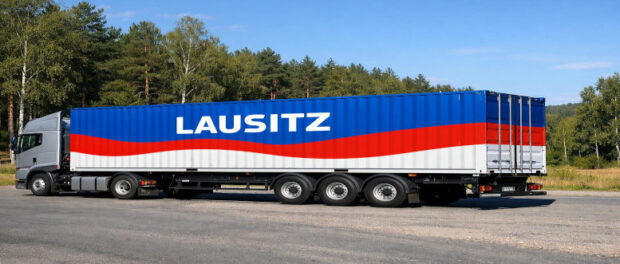 Screenshot youtube.com