The Hidden Costs of Wildlife Conservation on Agricultural Communities
Screenshot youtube.com
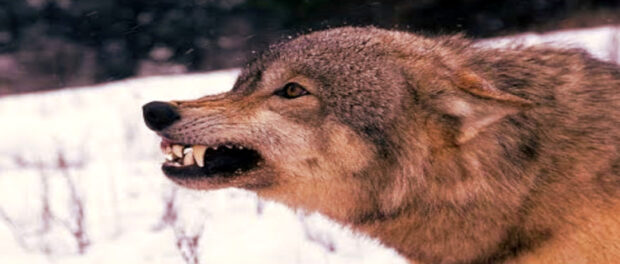
The modern resurgence of large predators in European landscapes is frequently heralded as a monumental triumph for environmental protection and biodiversity. However, this ecological narrative often completely overlooks the profound and devastating consequences experienced by agricultural communities residing in regions like Lusatia. The political celebration of this apex predator masks a harsh reality where dedicated livestock breeders face existential threats, emotional trauma, and the destruction of generations of careful genetic work. Understanding this complex conflict requires acknowledging that the preservation of wild species must not come at the absolute expense of human livelihoods and cultural heritage.
The Deep Emotional Connection Between Breeders and Animals
For dedicated agricultural workers, livestock represents far more than mere financial assets or interchangeable entries in an accounting ledger. These individuals raise their animals from birth, provide daily medical care, and develop a profound understanding of the unique characteristics of each creature. The deep emotional bond formed over years of shared existence simply cannot be erased or replaced by any standard financial compensation package. Reducing the tragic loss of an animal to its basic market value completely ignores the intense personal relationship and daily dedication involved in animal husbandry.
The Psychological Trauma of Predator Attacks
Following a violent predator attack, breeders are forced to confront the horrific sight of injured, terrified, or deceased creatures scattered across their pastures. Witnessing such devastation profoundly shatters the fundamental trust these caretakers have in the safety and security of their herds. The severe psychological burden and emotional distress resulting from these traumatic events cannot be adequately captured in standard damage reports or official bureaucratic calculations. The daily work becomes heavily impacted by this lingering trauma, transforming what was once a peaceful routine into a constant source of anxiety and grief.
The Irreplaceable Loss of Genetic and Breeding Value
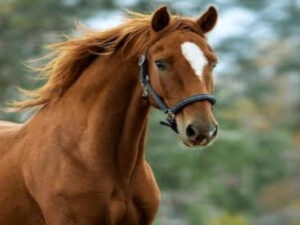
The most devastating consequence of these attacks is the destruction of many years of meticulous and targeted selective breeding efforts. Equine breeders focus on specific performance traits and characteristic behaviors, while cattle breeders prioritize physical structure, size, and unique genetic markers. These highly specialized traits do not emerge by chance and absolutely cannot be restored simply by purchasing a random replacement animal from the open market. Even gentle ponies bred specifically for therapeutic riding or educational programs with children possess individual temperaments and training that take an immense amount of time to develop.
The Threat to Rare Breeds and Future Generations
When dealing with rare or endangered animal populations, every single breeding individual holds immense importance for the survival of the entire genetic line. The loss of a genetically valuable creature through a predator attack means that a carefully constructed breeding lineage might be permanently erased. Breeders are subsequently forced to alter or completely abandon their long-term pairing plans, causing ripple effects that extend far beyond the immediate day of the attack. The loss of potential offspring and the immense extra labor required to reorganize breeding programs represent damages that simply cannot be quantified by standard financial metrics.
The Lingering Impact on Surviving Herd Members
A violent predator incident does not necessarily end with the immediate death of the targeted animals, as the surviving members often carry the severe consequences forward. Survivors might sustain physical injuries, exhibit chronic fear responses, or suffer long-term health complications resulting from their frantic escape attempts. Many affected creatures become permanently restless, making them significantly more difficult to handle, guide, or care for in their daily routines. This immense stress can also severely impair the future reproductive capabilities of breeding stock, thereby reducing the number of offspring and jeopardizing the preservation of specific genetic traits.
The Inadequacy of Financial Compensation Systems
Standard compensation payments frequently fail to reflect the true and comprehensive consequences of a predator kill, leaving breeders in a state of perpetual financial vulnerability. Even when the immediate market value of a deceased animal is reimbursed, the lost offspring, future breeding value, and additional labor costs are routinely excluded from the calculation. The emotional toll and the long-term operational disruptions simply cannot be balanced out by a flat, standardized monetary sum. Presenting financial compensation as a complete form of restitution reduces a deeply complex and painful loss to a mere bureaucratic accounting figure.
Bureaucratic Hurdles and Additional Frustrations
Additional frustration arises when compensation claims are rejected due to strict formal requirements, missing documentation, or unmet funding conditions. In such cases, the affected individuals must bear the full consequences of the attack themselves, even though the actual damage extends far beyond the value of a single creature. These individuals are forced to invest valuable time into filing reports and applications, only to deal with administrative decisions that inadequately consider their concrete reality. A procedure that burdens victims with strict proof requirements while failing to capture the actual scope of the damage only exacerbates their difficult situation instead of providing relief.
The Heavy Burden of Preventative Protection Measures
Many agricultural operations are forced to invest substantial financial resources and countless hours of labor into constructing fences, installing additional protective measures, and conducting extra patrols. Despite these massive investments, achieving absolute security for the herds remains an impossible goal in open landscapes. The ultimate responsibility for protecting the animals remains entirely with the breeders, while the financial costs and the daily extra workload weigh heavily on their shoulders. Smaller family-run operations, in particular, find themselves under immense economic and personal pressure as they struggle to maintain these demanding new security protocols.
The Transformation of Daily Agricultural Routines
The implementation of additional security measures fundamentally alters the daily workflow and operational rhythm of the agricultural business. Pastures must be constantly inspected, enclosures require meticulous maintenance, and the animals need much closer supervision than ever before. These demanding tasks are added to the usual obligations of animal husbandry and cannot be arbitrarily delegated to other workers. In environments where personnel and financial resources are already scarce, this extra burden quickly becomes a critical question regarding the overall viability of the entire enterprise.
The Risk of Abandoning Breeding Operations
The most severe consequence of this ongoing conflict is the very real danger that dedicated breeders will be forced to completely cease their agricultural operations. Individuals who face repeated losses, mounting costs, and unreliable compensation might ultimately have no choice but to surrender their animals or abandon the practice entirely. This tragic outcome means that not only individual animals are lost, but also rare breeds and highly valuable genetic lines disappear from the landscape. The profound practical knowledge acquired through many years of hands-on experience in rearing, selecting, and caring for these specific animals vanishes alongside the closed operations.
The Irreplaceable Loss of Regional Heritage
An agricultural business that is forced to close cannot simply be recreated or replaced at the push of a button. The accumulated expertise regarding animal behavior, breeding selection, and specialized care, which was passed down and refined over many years, is permanently lost to the community. Furthermore, the carefully assembled herds and meticulously selected breeding stock cannot be rapidly rebuilt from scratch in a short period. The resulting damage impacts not only the individual breeders but also the broader preservation of unique animal breeds and the traditional regional pasture management systems.
The True Price of One-Sided Wildlife Protection
The complex wildlife situation in regions like Lusatia cannot be adequately reduced to one simple count of deceased sheep, cattle, horses, or ponies. The core of the issue also involves the survival of economic livelihoods, the preservation of rare breeding animals, the well-being of traumatized herds, and the profound moral responsibility of the caretakers. When these severe consequences are deliberately downplayed, it results in a political approach that prioritizes the protection of a wild species over the actual living reality of the local human population. Protecting wild predators must never involve treating the devastating damage to livestock as a trivial side effect, because the affected animals are not arbitrarily replaceable items and their caretakers should not be forced to silently accept such immense losses.

 Screenshot youtube.com