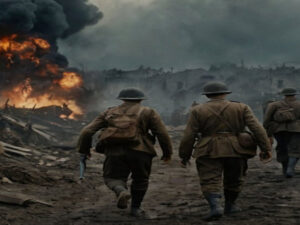
The historical narrative of the eastern campaign during the freezing winter months reveals profound tragedy where human endurance was pushed beyond physiological limits. Military forces found themselves trapped in brutal environments where extreme cold proved far more lethal than enemy fire. To survive this unimaginable hardship, troops became heavily reliant on pharmaceutical stimulants distributed by medical officers. What began as temporary measures to maintain combat effectiveness rapidly devolved into systemic dependencies that ultimately shattered the operational capacity of the entire army.
The Descent Into Chemical Dependency
Frozen casualties were frequently discovered clutching empty glass vials containing stimulant residues. Scattered pills lay crystallized in the snow beside lifeless bodies, illustrating the desperate reliance on artificial enhancement. Medical personnel examining these casualties recognized the telltale signs of severe overdoses and medication-induced cardiac arrest. The combination of powerful stimulants and subzero temperatures proved far more deadly than any battlefield wound.
The Reality Of The Frozen Frontlines
Infantry regiments holding defensive positions experienced unimaginable suffering as supply lines collapsed under partisan attacks and severe weather conditions. Pharmaceutical reserves transformed into the most valuable currency among the freezing troops, surpassing the importance of food or ammunition. Soldiers understood that survival required constant chemical assistance, turning the white wasteland into an inescapable nightmare. The winter environment acted as an enemy far more ruthless than any opposing military force.
The Escalation Of Stimulant Consumption
Medical records from the era document dramatic surges in stimulant consumption that perfectly mirrored the deteriorating military situation. Original distribution protocols designed for brief summer offensives proved entirely inadequate for the grueling attrition warfare. Troops began ingesting pills multiple times within short intervals, completely ignoring the original medical guidelines. Physicians faced an impossible dilemma between protecting the long-term health of their patients and maintaining immediate combat readiness.
The Failure Of Medical Protocols
Medical officers reported alarming increases in consumption, noting that standard dosages failed to provide the necessary physiological support. Soldiers experienced severe physical dependency, rendering them completely incapable of functioning without continuous chemical stimulation. Command structures ignored these urgent warnings, prioritizing immediate battlefield demands over the well-being of the troops. The extreme physical demands of the eastern campaign pushed human endurance far beyond normal physiological boundaries.
The Human Cost Of Chemical Enhancement
Letters sent home by infantrymen described how the pervasive cold penetrated every layer of clothing and deeply affected the human soul. Troops relied entirely on white pills to maintain basic mobility and cognitive function, transforming into mere machines requiring constant fuel. This chemical fuel slowly destroyed the users from within, creating an inescapable cycle of dependency and tolerance. Medical stations across the entire front reported identical patterns of mass addiction, indicating systemic failure rather than isolated incidents.
The Suppression Of Medical Truths
High command explicitly forbade the documentation of medication dependency, creating bureaucratic blind spots that prevented any effective response. Medical officers remained trapped in unsolvable conflicts between their professional duties and strict military orders. The truth regarding the catastrophic health consequences was deliberately suppressed, eliminating any possibility of averting the impending disaster. The introduction of additional pharmaceutical substances alongside standard stimulants exacerbated the dependency problems exponentially.
The Introduction Of Experimental Compounds
Medical units began distributing experimental compounds containing powerful psychoactive substances developed specifically for extreme cold environments. These untested formulations were administered to desperate troops, turning soldiers into involuntary subjects of dangerous pharmacological experiments. The boundary between legitimate medicine and human experimentation vanished completely as the military sought any possible advantage. Recipients of these experimental mixtures reported extraordinary physical capabilities that seemed to transcend normal human limitations.
The Illusion Of Invulnerability
Enhanced troops could march through deep snow for extended distances without resting, experiencing drastically reduced sensitivity to cold and pain. They appeared completely invulnerable while the substances remained active, yet these remarkable advantages carried devastating psychological side effects. Medical personnel were entirely unprepared for the severe mental health crises that rapidly emerged among the enhanced units. Troops lost the ability to distinguish between reality and drug-induced hallucinations, perceiving enemies where none existed.
The Psychological Collapse Of The Troops
The combination of extreme combat stress, severe sleep deprivation, and powerful psychoactive substances triggered widespread psychological breakdowns. Medical reports documented alarming increases in friendly fire incidents, outright insubordination, and complete mental collapses. The very weapons intended to strengthen the army ultimately turned against the soldiers themselves, destroying their minds. Veterans later described experiencing terrifying hallucinations and overwhelming paranoia after continuous ingestion of the experimental compounds.
The Vicious Cycle Of Tolerance
The escalating medication intake created vicious cycles of dependency and tolerance, trapping the military forces in unsustainable patterns. Soldiers required increasingly larger doses to achieve the same performance levels, suffering severe withdrawal symptoms during supply interruptions. These withdrawal phases rendered troops completely useless for combat, transforming them into trembling, incapacitated shells of their former selves. Medical officers found themselves caught in impossible situations, trying to maintain short-term combat power while preventing mass casualties from medication abuse.
The Brutality Of The Winter Environment
Weather conditions during the freezing months surpassed the worst projections of military planners, with temperatures dropping to lethal extremes. Troops equipped with uniforms designed for moderate climates were physiologically incapable of maintaining basic functions without artificial support. The biting wind whipped snow into the faces of the soldiers, freezing their breath into ice crystals that blocked their airways. Nature itself became the ultimate enemy, and the white pills remained the only available weapon against the freezing death.
The Physical Reality Of Extreme Cold
Communications personnel documented the physical reality of the cold, noting that normal humans simply could not function under such conditions. Fingers became completely useless within minutes of exposure, and troops literally froze in place without continuous chemical stimulation. The pills forced the heart to beat fast enough to maintain circulation, but the long-term price of this artificial survival became painfully obvious. The increasing medication usage was driven by specific operational requirements that standard dosages could never satisfy.
The Demands Of Endless Warfare
Military forces were expected to remain combat-ready over extended periods while performing physically exhausting tasks in extreme weather. Constructing defensive positions required endless hours of digging into ground that was harder than solid concrete. Maintaining weapons became constant struggles as mechanical components froze solid and demanded continuous attention to remain functional. Every action required physical strength that the human body simply could not generate without chemical assistance.
The Inadequacy Of Standard Treatments
Military physicians documented the complete inadequacy of standard protocols in detailed reports that exposed the systematic nature of the medication enhancement. Field studies revealed that standard dosages provided absolutely no sufficient improvement during extreme cold deployments. Troops reported diminished effectiveness after short intervals, forcing physicians to recommend dangerously increased doses to maintain basic functionality. This increased dosage inevitably led to severe dependency within short periods of continuous application.
The Rush For Experimental Formulations
Pharmaceutical manufacturers developed special formulations specifically designed to meet the unique challenges of the winter warfare. These experimental medications combined traditional stimulants with substances intended to improve cold tolerance and reduce caloric requirements. The development process was rushed and completely lacked long-term safety data, turning the troops into unwitting test subjects. Soldiers developed their own informal methods to control their medication intake, relying on experience and sheer necessity rather than medical guidance.
The Emergence Of Informal Hierarchies
Veterans learned to adjust dosages based on operational requirements and individual tolerance limits, becoming experts in self-medication. This informal self-treatment introduced severe additional risks, as troops consumed dangerous combinations of various substances without medical supervision. The social dynamics of medication consumption led to informal hierarchies within the units, based entirely on access to and knowledge about various substances. Experienced soldiers who effectively managed their stimulant consumption became informal leaders, while those suffering from dependency lost all status.
The Breakdown Of Supply Chains
Supply shortages forced the military to develop rationing systems that prioritized distribution based on operational necessities rather than medical needs. Combat units received priority access to stimulants, while support personnel had to manage with severely reduced medication allocations. This rationing system generated widespread resentment and fierce competition between different military units, severely undermining overall cohesion. Extreme conditions also affected the physical properties of the pharmaceutical substances themselves, making their application additionally difficult.
The Physical Degradation Of The Medications
Tablets froze solid in the extreme cold, forcing soldiers to warm them inside their clothing before ingestion. Some medications completely lost their effectiveness due to extreme temperature fluctuations, rendering the precious supplies utterly useless. Medical personnel struggled desperately to keep the pharmaceutical stocks in usable condition under field conditions that far exceeded normal storage parameters. Logistics records documented the massive surge in pharmaceutical consumption during the winter deployments.
The Unprecedented Medical Crisis
The increasing medication intake led to new categories of medication victims, whose treatment the medical personnel were entirely unprepared to handle. Troops suffered massive overdoses, severe adverse interactions, and agonizing withdrawal symptoms that required complex medical interventions. In many sectors, field hospitals had to treat more medication victims than actual combat casualties, overwhelming the already exhausted medical staff. The psychological aspects of the medication dependency became glaringly obvious as soldiers developed intense emotional attachments to their stimulants.
The Physiological Toll Of Extreme Conditions
The climatic conditions also influenced the metabolism and excretion of pharmaceutical substances from the bodies of the soldiers in completely unpredictable ways. Extreme cold slowed down the metabolism, causing stimulants to remain active longer while simultaneously requiring higher doses to trigger any effect. Medical officers reported that standard pharmacological knowledge proved entirely insufficient to predict the effects of medications under extreme environmental conditions. The physicians operated completely in the dark, unaware of how the administered substances actually affected the bodies of the troops.
The Overwhelming Medical Casualties
Medical stations across the entire eastern front reported unprecedented numbers of medication-related casualties that threatened to overwhelm the already strained medical resources. The systematic use of high-dose stimulants, combined with extreme environmental conditions and continuous combat stress, had triggered massive medical crises. These crises posed far greater threats to the effectiveness of the units than any enemy action. Comprehensive field studies documented the devastating physical consequences of the continuous consumption of these powerful substances.
The Destruction Of The Human Body
The resting heart rates of the dependent soldiers remained constantly elevated, and blood pressure values exceeded safe limits for the vast majority of the examined troops. Cases of sudden cardiac death among previously healthy soldiers correlated directly with the protocols for medication stimulant intake. Field hospitals reported massive increases in heart attacks among young troops, an age group that typically exhibits minimal heart problems under normal circumstances. The intense stimulation of the central nervous system, combined with the physical strain of combat and extreme cold, pushed the circulatory systems far beyond their physiological limits.
The Irreversible Organ Damage
Autopsy reports of medication victims revealed systematic organ damage that extended far beyond cardiovascular complications, painting pictures of total physical destruction. Prolonged stimulant consumption led to severe liver damage, kidney dysfunction, and neurological deterioration that often proved completely irreversible. Military physicians treated diseases typically associated with chronic drug abuse in previously healthy young personnel with no prior history of substance use. The psychological impacts of the medication dependency proved equally devastating, yet were much harder to quantify and effectively treat.
The Paranoia And Breakdown Of Trust
Soldiers suffering from stimulant-induced paranoia frequently displayed symptoms that resembled legitimate stress reactions, making accurate diagnosis extremely difficult. Medical officers struggled to distinguish between appropriate tactical vigilance and drug-induced delusions. The combination of paranoia and genuine combat stress triggered psychological crises that undermined unit cohesion and operational security in completely unexpected ways. Troops became convinced that their own comrades were enemy infiltrators, transforming the unit into fields of suspects and shattering the fundamental trust required for military survival.
The Loss Of Cognitive Function
Communications personnel described their mental decay in detailed writings, noting how the pills made everything simultaneously clear and terrifying. Sleep deprivation became widespread among the enhanced troops, who regularly went without meaningful rest for extended periods. Medical officers reported that while the medication maintained physical functionality, it led to progressive cognitive decline. This decline severely impaired the ability of the soldiers to engage in complex thinking, tactical planning, and basic situational awareness, which are absolutely essential for combat effectiveness.
The Brutal Consequences Of Reduced Circulation
The extreme cold on the eastern front amplified all medication side effects in ways that medical research had completely failed to anticipate. Stimulants reduced the blood flow to the extremities due to their physiological effects, dramatically increasing the risk of severe frostbite. Medical records documented numerous cases where soldiers lost fingers, toes, and entire limbs to the cold without feeling any pain due to the numbing effects of the drugs. The pills that kept the soldiers fighting also permanently crippled them, causing units to lose more personnel to amputations from cold damage than to actual combat injuries.
The Agony Of Withdrawal
Withdrawal symptoms during supply interruptions led to additional medical emergencies that often coincided with critical combat actions, striking the units at the worst possible moments. Soldiers dependent on regular stimulant doses suffered from severe depression, total physical exhaustion, and complete incapacitation. These withdrawal phases frequently occurred at the exact moments when the medication enhancement was most desperately needed for survival and combat power. The medical literature available to the military physicians contained absolutely no guidance on treating mass stimulant withdrawal under active combat conditions.
The Severe Nutritional Deficits
The gastrointestinal effects of continuous stimulant consumption led to additional complications that severely worsened the nutritional problems of the military forces. The substances suppressed appetite and dramatically accelerated metabolism, causing dangerous weight loss among the troops. The medication-induced appetite suppression effectively masked the symptoms of starvation until medical intervention was far too late. Medical officers reported treating soldiers who had lost massive amounts of body weight while artificially maintaining their energy levels through chemical enhancement.
The Devastation Of Dental Health
The effects of long-term consumption on dental health became apparent after only short periods of intense medication use, revealing the sheer scale of the physical destruction. Stimulants caused severe dry mouth, which promoted bacterial growth, while the grinding and clenching associated with consumption severely damaged teeth and jaws. Military dentists reported unprecedented tooth loss and jaw problems among enhanced troops, who were barely capable of consuming solid food. The long-term health impacts were devastating, burdening the survivors with severe physical and psychological damage that required extensive medical treatment.
The Operational Failures Of Enhanced Troops
The deteriorating physical and mental state of the dependent soldiers began to measurably and increasingly alarmingly affect military operations. Field commanders, who had initially supported the medications as innovative solutions for maintaining combat power, were confronted with the harsh reality. The performance of the dependent soldiers proved inconsistent and highly unpredictable during critical combat actions where reliability was absolutely essential for unit survival. The current pharmaceutical protocols created immediate tactical problems rather than providing viable operational solutions.
The Breakdown Of Command And Discipline
The inconsistency of the performance enhancement proved particularly problematic during complex military operations requiring sustained coordination between multiple units. Field commanders reported numerous incidents where enhanced troops abandoned carefully planned positions to pursue imagined enemy contacts. This created dangerous gaps in the defensive lines that opposing forces quickly identified and exploited with devastating tactical consequences. The command structure itself became increasingly impaired as officers at all levels consumed the exact same pharmaceutical preparations as their subordinate troops.
The Erosion Of Military Cohesion
Higher commanders made increasingly aggressive and unrealistic tactical decisions under the influence of powerful stimulants. The traditional leadership discipline, which historically relied on rational analysis and careful operational planning, deteriorated significantly under the widespread influence of pharmaceutical preparations. The cultural divide between enhanced and unenhanced soldiers led to additional problems in unit cohesion and undermined the traditional military effectiveness. Enhanced soldiers often displayed open contempt for troops who refused pharmaceutical treatment, while unenhanced soldiers met their drugged comrades with growing mistrust and fear.
The Strategic Vulnerability
This division systematically undermined the traditional esprit de corps and the mutual trust between the soldiers, splitting military units into competing factions. Disciplinary records showed dramatic increases in insubordination, physical assaults, and desertions among enhanced troops. The proven effects of stimulants on impulse control and emotion regulation made traditional military discipline increasingly ineffective for maintaining order. Officers were no longer capable of maintaining authority over soldiers whose stimulant use made them simultaneously more physically aggressive and less receptive to command structures.
The Collapse Of The Supply Network
The breakdown of military discipline led to security vulnerabilities that opposing intelligence services quickly learned to exploit. The strategic impacts of the army-wide dependency on pharmaceuticals became most evident during the opposing winter offensives, when German units failed to hold their defensive positions during critical engagements. Entire regiments experienced simultaneous withdrawal crises during critical defensive operations when the medication supply was interrupted by enemy attacks. This created massive gaps in the defensive lines that opposing forces exploited with devastating tactical and strategic effectiveness.
The Desperation Of The Black Market
The pharmaceutical supply system, originally designed for distributing standard medications during short deployments, proved entirely inadequate for the massive demand. The military consumed stimulants in quantities that far exceeded the entire national pharmaceutical production capacity. The logistical challenges of delivering pharmaceutical supplies to advanced combat positions proved even more problematic than the production bottlenecks. Opposing partisans increasingly targeted medication convoys, having realized that destroying pharmaceutical supplies incapacitated the military forces far more effectively than attacking ammunition depots.
The Final Proof Of Failure
During supply interruptions, soldiers developed increasingly desperate, improvised procurement methods that further undermined military discipline and operational security. The emergence of extensive black market networks for pharmaceutical trading led to parallel command structures based on access to drugs rather than traditional military hierarchy. Soldiers traded weapons, ammunition, and military equipment for access to stimulants, treating the tablets as far more valuable than military orders or loyalty. The dependency crisis reached its absolute peak during the catastrophic offensive at Stalingrad, where entire armies were trapped in brutal urban combat.
The Ultimate Downfall
These trapped forces lacked sufficient pharmaceutical reserves to maintain their combat power, and the withdrawal symptoms paralyzed the troops at the exact moment they were needed most. The combination of extreme combat stress, critical supply shortages, and mass withdrawal symptoms created conditions that directly contributed to the most devastating defeats of the military forces. The dependency on medications developed under the extreme conditions of the eastern front established permanent patterns that persisted throughout the remaining years of the conflict. The systematic dependency of the military on chemical substances evolved into structural weaknesses that contributed massively to the final military collapse.

 Screenshot youtube.com