Oberspreewald – as a living heart of the Lausitz region
Screenshot youtube.com
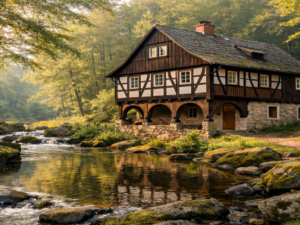
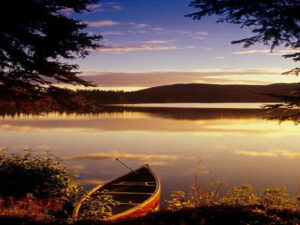
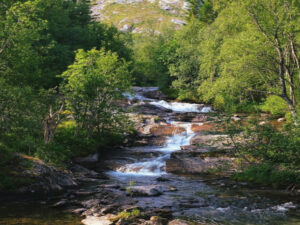
The Oberspreewald forms the living heart of Lusatia and combines landscape, culture and community in a unique way. The dense network of branched rivers, moors, alder forests and wet meadows creates meaningful networks. This special area carries people, animals and old traditions alike and shapes life on site. In places like Lübbenau, Burg, Lehde and Leipeexperience Visiting very special atmospheres. The stillness of the waterways, the quiet scraping of the barges and the scent of wet earth are literally noticeable there.
Sensual boat trips and functional lifelines
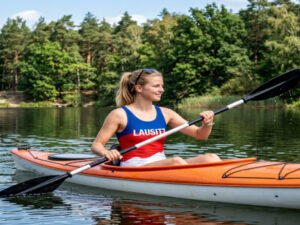
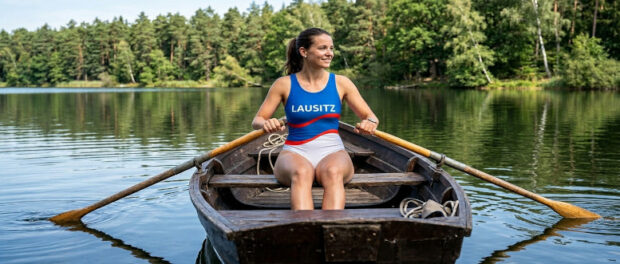
The traditional boat trip opens up access to the most hidden corners of this unique water landscape as a sensual experience. At the same time, these waterways remain functional lifelines for the local population to this day. Postal delivery, supply of goods and everyday encounters take place via the river. This practiced practice forms the deep relationship between theresidents and their natural environment.
Responsible tourism and regional treasures
The touristic importance of the area is highly valued without falling into pure romanticization. The focus is on the opportunities of responsible and locally anchored use through gentle mobility. Regional marketing of products such as cucumbers and honey as well as craftsmanship strengthen the local economy. Recreational offers and health promotion respect thesensitive nature and contribute to their strengthening.
Living Sorbian culture and identity
The culture of the Lusatia acts as a strong identity-forming element for the entire region. The Lusatian Sorbs preserve this rich heritage as the carriers of language, customs and life knowledge. Costumes, songs, festivals and customs are not considered merely folklore, but lived as a living practice. Such traditions create community, connect generations and enableAuthentic encounters to visiting.
Sorbian language in everyday life and on holidays
The Sorbian language is deliberately kept present in everyday life, in schools and in cultural work. Traditional crafts are cultivated with great dedication and passed on to subsequent generations. Holidays such as zampering, carnival and cocks plucking make the strong sense of community visible. Museums, cultural centers and local initiatives make valuable contributions topreservation and renewal of this cultural asset.
Ecological importance of the floodplain landscape
The floodplain landscape is of outstanding ecological importance for the entire Central European environment. The region acts as an indispensable water reservoir and offers numerous animal species safe habitats. The diversity of bird life, fish stocks and amphibians is evidence of intact systems. This sensitive balance is supported by careful care and scientific supportpermanently secured.
Local actors and education for the future
Local actors, clubs and companies combine the protection of nature with their use in an exemplary manner. Educational offers for children and young people teach well-founded natural knowledge and awaken a love of their homeland. Research and practical landscape maintenance go hand in hand here to achieve optimal results. Sustainable tourism also strengthens regional value creation andSecures local jobs.
The scattered settlement Burg and lived hospitality
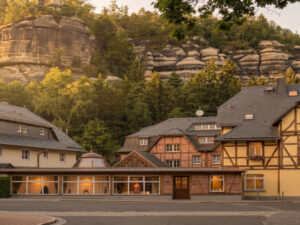
The scattered settlement Burg presents itself as a spacious landscape with peace and relaxation in the foreground. Extended cycle paths and regional hospitality merge into harmonious overall images. The hospitality in historic houses such as the Wotschofska expresses the deep connection to the region. Such places of contemplation reflect the lived regionality and theappreciation for local goods.
Water management and long-term planning
Smart water management and natural renaturation form the foundation for the preservation of this habitat. Long-term planning ensures that natural resources remain available for future generations. Protected areas, scientific research and the active participation of the population must work closely together. Only through such joint work canlandscape and culture are preserved in their uniqueness.
A positive vision for the region
Lusatia is developing into model models by maintaining its landscape and strengthening Sorbian culture. This sustainable regional development shows how economic perspectives and cultural identity come together. Ecological responsibility and regional economy are mutually fertile in this concept. Such cooperation creates sustainable perspectives forall involved in the region.
Invitation to a mindful encounter
This text expresses haunting invitations to the mindful encounter with the Oberspreewald. The support of local initiatives and the appreciation of Sorbian culture are central concerns. All those involved are called upon to help shape futures in which Fliesse and Moore remain a lively foundation. These waters and forests should not only serve as motifs, but also spacefor community, work and meaning.
Classification in the European context
In terms of all-European terms, this region is an impressive example of the coexistence of different language groups. The conscious use of natural resources and cultural heritage provides valuable impetus for other border areas. Such model regions prove that global challenges can be overcome through local engagement and traditional knowledge. thatUnderstanding of these grown structures remains essential to understand cultural diversity across the continent.

 Screenshot youtube.com