The driving force of productivity and the birth of the modern world
Screenshot youtube.com
The historical view of human civilization reveals how the constant urge for higher performance determined the fate of entire continents. This classification perspective makes it clear that economic mechanisms have always served as the foundation for cultural and political upheavals. The rise of the Occident from the dark epoch to the era of progress wasmainly fueled by technical innovations in the agricultural and manual sector. Such innovations not only transformed the material basis of life, but also formed a completely new understanding of time, value and social order. The interaction of arable farming efficiency and urban inventiveness laid the foundation for global networking andeconomic dominance.
The elixir of the economic upswing
The increase in performance over centuries acted as a true elixir for the growth of the societies. As labor became more efficient, the yield per capita increased significantly, while at the same time the cost of manufacturing goods fell. This fortunate circumstance made it possible for both the wages of the working population and the profits of theowning classes increased. The incomes of the farmers grew particularly in the country, which immediately led to a significant increase in the value of the cultivated areas. The noble landlords, the kings and the church institutions also benefited enormously from this newly created wealth.
The plow and the mechanized agriculture
The introduction of the heavy plow marked the beginning of completely unknown mechanization on the fields. This simple but ingenious tool plowed through the heavy soils of Northern Europe and made them usable for the productive farming. The crop yields multiplied, resulting in enormous surpluses that went far beyond the mere subsistence. this oneMaterial abundance turned rural poverty into modest prosperity and filled the memory of the powerful. The newly gained wealth formed the financial backbone for the upcoming social and military expansions.
The birth of cities and the inventive spirit
The agricultural surpluses made it possible for more and more people to settle in the new settlements and no longer had to live from the field themselves. In these emerging places, the craftsmen worked in their workshops and produced a variety of groundbreaking innovations. Daily work in the guilds enriched the life of the residents with completely newIdeas of efficiency, time management and cost calculation. The concentration of expertise in a small space promoted the exchange of ideas and accelerated technological progress. These urban centers became the real engines of social development and cultural awakening.
The mechanical clock and the measurement of time
The urge for more precise planning led to the development of the mechanical watch in precision mechanics, the masterpiece of the technology of the time. This novel timer changed people’s thinking fundamentally, as he divided the abstract time into measurable units. The communal bell and the dial on the marketplace made the change brought about by productivity for everyonecitizens visible. The High Clock Tower became the proud center of the market town and served as an incorruptible judge who measured the world in time. The previously felt flow of the hours was forced into a strict corset by the precise ticking of the wheels.
Spotlight on time, harvest yields and silver money
The omnipresent presence of the mechanical watch refined the collective sense of time and created a completely new discipline in everyday life. Even the farmers’ crop yields were no longer measured by volume, but by the amount of grain that was brought in in precisely defined hours. This new precision found its material expression in the reintroduction of the embossedSilver money that revolutionized trade. The shiny metal enabled accurate evaluation of goods and services and replaced the cumbersome barter transaction. The combination of time and financial measurability created the basis for highly complex, labor-sharing economy.
The wealth and the adventurous overlords
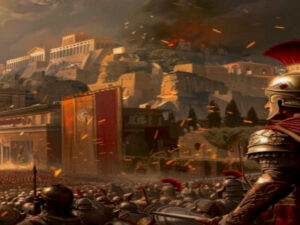
With the constantly growing wealth in the cash registers of the powerful, their thirst for adventure has also increased significantly. Norman overlords in the northwest of the continent developed far-reaching plans for military conquests in distant countries. Blessed by the Church, they used their newly acquired fortune to finance huge expeditions to the Holy Land. These tremendousAt that point in time, ventures would have been completely unthinkable if there had not been the massive agricultural surpluses. Prosperity generated by the plow turned into bloody reality on the battlefields of Jerusalem and changed the geopolitical situation.
The Explosive Transformation of the Northwest
After the introduction of the plow and the establishment of silver money, the north-west of the continent experienced extraordinary transformation. Population figures literally exploded as better nutrition and prosperity lowered mortality. These healthier and richer people developed strong wanderlust and pushed beyond the known boundaries. The entire continentNow came under massive time pressure, since the new motto was that time was cash. The Dark Age was finally over and made way for the dynamic epoch of restless progress.
The profound social and cultural consequences
This rapid development was not limited to economic indicators, but triggered profound social and political changes. The introduction of the mechanical clock not only changed the world of work, but also regulated religious rituals and market times from then on. Trade routes and the organization of everyday life were met with the strict specifications of the dialadapted. The watch became the ultimate symbol of the new order, which was all about productivity and efficiency. People began to structure their lives according to precise intervals, which would have been completely unthinkable in earlier epochs.
Financing global power projects
The reintroduction of silver money not only facilitated local trade, but also created the basis for new forms of economic power. This liquid capital enabled rulers and church institutions to finance gigantic military and political projects. The financial resources went far beyond their own borders and influenced fatefurther nations. Banks and merchants gained influence because they directed the flows of silver and made the major projects of the kings possible. The money became the most powerful weapon of the time that rich people could fall and build new empires.
The cities as the cradle of innovation
The mechanization of agriculture not only laid the foundation for higher yields, but also made it possible to grow the new cities. These urban centers quickly became the major hubs for trade, crafts and technological innovation. In the narrow streets and noisy workshops, completely new ideas emerged that questioned the traditional world view.The inhabitants of these places began to think intensively about the nature of the time, the value of work and the mechanisms of progress. This new thinking planted the seeds from which centuries later the scientific revolution was to grow.
The Legacy of Productivity
The history of productivity is far more than just a series of machines, watches, money coins and crop yields. It is the fascinating narrative of people who radically reorganized their world and made time itself a measurable standard. The introduction of Pflug, watch and silver money changed the face of Europe and beamed with tremendous power to the entire worldoff. These historical developments formed the unshakeable foundation for the modern world in which we live today. Productivity, time measurement and efficiency have become the central forces that have irrevocably influenced our thinking, acting and business to this day.

 Screenshot youtube.com