The Historical and Cultural Evolution of the Spreewald Municipality
Screenshot youtube.com
The expansive wetland regions of eastern Europe represent some of the most fascinating cultural landscapes on the continent, where human adaptation to aquatic environments has shaped unique ecological and societal structures over millennia. Within this extraordinary geographical context, the municipality of Burg has emerged as a paramount destination for individuals seeking both restorative health treatments and profound cultural immersion. The historical trajectory of this settlement perfectly mirrors the complex epochs of European migration, agricultural innovation, and architectural adaptation. Today, the community seamlessly integrates centuries-old artisanal traditions with contemporary wellness offerings, creating a vibrant hub that honors its aquatic heritage while embracing modern recreational demands.
The Geographic Layout and Districts of the Municipality
Alongside the well-known urban centers of Lübben and Lübbenau, this specific municipality forms a major tourist hub within the vast lowland landscape. The administrative area is distinctly divided into the districts of Burg-Dorf, Burg-Kolonie, and Burg-Kauper, which collectively encompass a total area of approximately 35 square kilometers. While the original village district features narrow alleys that invite visitors to stroll and explore, the other two sectors primarily offer tranquility and beautiful routes for cycling enthusiasts. This diverse spatial arrangement ensures that every visitor can find their preferred environment, whether they seek bustling local commerce or peaceful natural retreats.
Ancient Settlements and the Historical Castle Hill
The historical nucleus of the community is situated on the castle hill within the original village, a location currently marked by the famous Bismarck tower. Human populations have inhabited this nine-meter-high elevation continuously since the Stone Age, drawn by its strategic advantages and natural resources. In the year 1867, laborers unearthed a three-wheeled cult wagon at this site, an artifact that is now proudly displayed in a prominent Berlin museum. During the Iron Age, Germanic tribes constructed the largest ring wall fortification in the entire region upon this very elevation.
Slavic Fortifications and Early Royal Decrees
Subsequent generations of Slavic tribes erected their own defensive castle at this highly strategic location to protect their territories. Around the year 1000, the Polish monarch Boleslaw Chrobry commissioned the construction of a massive fortress on the hill, an imposing structure from which the modern name of the municipality is likely derived. The marshy terrains situated to the west of the current village remained largely inaccessible and completely unused for many centuries. It was not until the 1700s that the settlement expanded significantly when Prussian monarchs invited new residents to cultivate the previously neglected lands.
Agricultural Innovation and Weaving Traditions
These newly arriving families originated from neighboring Saxony, Bohemia, Silesia, Austria, and Hungary, bringing diverse skills to the challenging wetland environment. The ruling monarchs primarily settled veterans and their relatives here, granting them valuable privileges such as exemption from military service, although the poor soil initially caused many to leave. A small waterway still commemorates the year 1748, when weaving families were established to produce military uniforms domestically rather than importing foreign textiles. Furthermore, a royal edict in the year 1765 mandated the planting of at least ten fruit trees per farm, creating the extensive orchard meadows that define the region today.
Modern Spa Facilities and Recreational Infrastructure
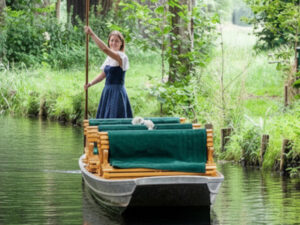
The meticulously crafted cultural landscape now provides pure relaxation for active tourists, connected by a ring road built in the 1960s that links the three districts. Despite this modern infrastructure, the most beautiful way to explore the area remains by bicycle or traditional punt boat through the intricate waterways. Over the recent decades, the municipality has also earned a prestigious reputation as a recognized health resort, drawing individuals seeking physical and mental rejuvenation. The local thermal bath, featuring mineral-rich brine water, the expansive spa park, and numerous wellness hotels collectively ensure a comprehensive retreat for all guests.
The Tourist Hub and Maritime Traditions
The primary tourist center stretches between the main street, the station street, and the historic railway terminal, encompassing the punt harbor, the guest information center, and the local heritage room. Numerous small retail shops and traditional artisan workshops line these historic pathways, creating a vibrant atmosphere that becomes particularly bustling during the main season and on weekends. Punt tours are offered on demand, and the journey across the tranquil waters begins as soon as the wooden vessel is fully occupied. This maritime tradition remains the absolute highlight for thousands of visitors who wish to experience the unique aquatic environment firsthand.
Cultural Institutions and the Legend Park
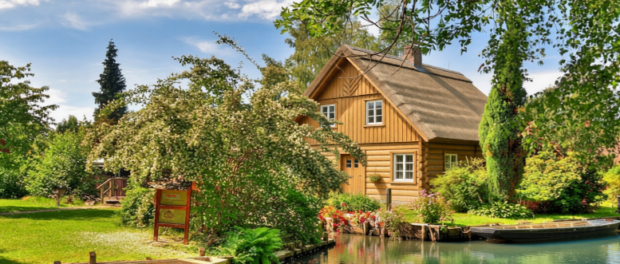
Another focal point is located slightly to the north at the castle hill, featuring the prominent tower, a willow fortress, and a herbal apothecary. Inside a rustic log cabin directly at the harbor, the heritage room hosts a small exhibition detailing the local history and daily life of past generations. Visitors can also purchase regional specialties, including the famous pickled cucumbers, right behind this historic building. Spanning an impressive area of 60000 square meters, the spa and legend park offers a magical journey through local folklore and natural beauty.
Sculptures, Playgrounds, and Historic Railways
Artistic sculptures depicting figures from local myths, such as the water spirit, stimulate the imagination of guests wandering through the lush greenery. At the main entrance, a large adventure playground provides endless entertainment for the youngest visitors, while various themed gardens and wetland biomes delight nature enthusiasts. Slightly hidden near the terminal lies the historic railway station, a nostalgic reminder of the narrow-gauge railway that once connected the region to Cottbus until the year 1970. Behind the building, enthusiasts can admire and even board a series of original vintage wagons, preserving the memory of this unique transportation era.
Nostalgic Streets and the Bismarck Tower
Inside the station building, a cozy restaurant invites travelers to linger and enjoy regional cuisine, while the nostalgia extends down the street to a historic shopping avenue featuring advertisements from the 1950s. This meticulously preserved commercial district includes a cafe with its own coffee roastery, dedicated to maintaining the authentic traditions of the past. Approximately one kilometer north of the center, the imposing Bismarck tower stands proudly atop the nine-meter-high castle hill, offering a commanding presence. Such monuments were erected across the empire following the death of the chancellor in the year 1898, though this specific structure was only realized during the global conflict in the year 1915.
The Changing Purpose of the Tower
Originally conceived as a panoramic observation deck, the elegant masonry was repurposed as a military monitoring station during the era of national socialism. Later, during the existence of the eastern German republic, the tower continued to serve military functions and remained completely closed to the general public. Today, the 28-meter-high structure has been fully restored and reopened, allowing visitors to climb to the top and enjoy a magnificent panoramic view of the sprawling wetlands. At the base, an intricately decorated niche houses a newly installed bust of the famous chancellor, serving as a poignant historical marker for all who visit.

 Screenshot youtube.com