The Ecological and Cultural Renaissance of Sustainable Grazing in Post-Mining Landscapes
Screenshot youtube.com
The contemporary global discourse on environmental conservation increasingly highlights the critical role of sustainable agricultural practices in preserving biodiversity and cultural heritage. In regions historically shaped by intensive industrial activities, such as the post-mining landscapes of eastern Germany, the integration of traditional farming methods offers a profound solution to ecological degradation. The practice of extensive grazing not only revitalizes damaged ecosystems but also safeguards ancient domestic animal breeds from the brink of extinction. This multifaceted approach bridges the gap between ecological restoration and the preservation of generational knowledge, demonstrating how rural communities can actively shape a resilient future. By recognizing the intrinsic value of these living heritage assets, society can foster a deeper appreciation for the intricate balance between human activity and natural environments.
The Profound Emotional Connection and Historical Legacy of Animal Husbandry
For many dedicated agricultural workers in these specific regions, the animals under their care represent far more than mere economic assets or simple sources of nutrition. Over the course of many years, a profound emotional bond frequently develops, rooted deeply in daily nurturing routines and mutual trust. When dealing with exceptionally rare breeds, the caretakers possess an intimate understanding of the precise lineage and unique character of every single individual creature. This comprehensive and highly specialized knowledge is of absolute paramount importance, because the preservation of endangered genetic lines demands long-term strategic planning and immense personal dedication. Such historical breeding lines have been meticulously cultivated over numerous generations through the relentless and passionate work of rural families.
The Exceptional Biological Traits of Historical Domestic Breeds
Many of these historical utility animals possess highly specific biological characteristics that distinctly separate them from the widely distributed high-performance breeds of modern industrial agriculture. Certain representatives are remarkably robust and exhibit an extraordinary resistance against fluctuating and often harsh weather conditions. Others are distinguished by highly specific milk compositions or an exceptional adaptability to sparse and nutrient-poor grazing areas. Such remarkable traits are the direct result of centuries of careful selective breeding and continuous adaptation to highly specific regional environmental conditions. They represent invaluable genetic reservoirs that are of immense importance for the future resilience of global agricultural systems.
The Historical Significance of Traditional Equine Varieties
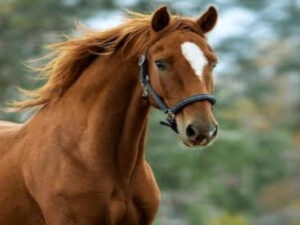
The remarkable diversity of historical utility animals includes ancient equine breeds that were originally developed for a wide array of demanding agricultural tasks. While certain types were primarily utilized as powerful draft animals to pull heavy loads, other distinct lines were carefully maintained for their specific milk production capabilities. Mare milk historically played a highly significant role in various European territories as a vital nutritional source and for specialized dietary purposes. Furthermore, there exist incredibly sturdy pony varieties that are highly regarded for their balanced temperament and their exceptional suitability for close interaction with human handlers. When these animals receive appropriate and patient training, they can be effectively deployed in educational programs or for therapeutic riding activities involving children.
The Remarkable Diversity of Ancient Bovine Lineages
A similarly impressive diversity of historical breeding lines can be observed among ancient bovine populations across the continent. Beyond the well-known regional breeds, there are specific lines that immediately stand out due to their extraordinary physical dimensions or highly distinctive coat colorations. While modern breeding programs are frequently and almost exclusively focused on maximizing quantitative output, ancient breeds prioritize entirely different and often more sustainable traits. These crucial characteristics include an excellent conversion rate of basic forage and a remarkable ability to thrive on less productive grassland areas. It is precisely these resilient features that make such animals exceptionally interesting and valuable for extensive and ecologically oriented pasture management.
The Ecological Functions of Extensive Pasture Management
In this specific form of animal husbandry, grassland areas are managed with a comparatively low stocking density to ensure ecological balance. The animals utilize the naturally available grass as their primary feed source and simultaneously influence the overall vegetation structure through their specific grazing behavior. On suitable locations, this careful grazing practice effectively prevents valuable open land areas from becoming overgrown with bushes or completely overtaken by woody plants. Numerous plant species, as well as vital insects like butterflies and wild bees, benefit immensely from this adapted and natural grazing regime. Certain bird species, which are strictly dependent on open landscape structures for their survival, also derive tremendous ecological advantages from this carefully managed pasture use.
The Unique Environmental Characteristics of the Regional Landscape
In the specific region of Lusatia, this ecological aspect takes on a particularly profound significance, as the area encompasses traditional agricultural landscapes and expansive heathlands. The territory also features wet meadows, dry grasslands, and numerous unique areas that have emerged from former open-pit mining operations. On suitable terrains, professionally planned grazing contributes significantly to the preservation of highly valuable and sensitive natural habitats. Especially in locations where intensive mechanical processing would be ecologically detrimental, grazing animals assume crucial and irreplaceable environmental functions. The concrete ecological benefits, however, always depend heavily on the specific characteristics of the respective terrain and the particular animal species utilized.
The Maintenance of Cultural Landscapes and Soil Integrity
The grazing process provides a highly important contribution to the maintenance and preservation of historically grown cultural landscapes. When animals utilize areas that would otherwise quickly become overgrown, the characteristic and beloved visual appearance of the landscape is permanently preserved. At the same time, these pasture areas can form highly valuable transitional zones between dense forests, natural water bodies, and open terrestrial habitats. Such structurally rich and diverse landscapes are frequently of exceptional ecological value and actively promote overall biodiversity. In former mining regions, suitable grazing practices can seamlessly integrate into long-term and comprehensive landscape management concepts.
Economic Perspectives and the Importance of Regional Marketing
For numerous rural families and agricultural enterprises, the breeding of such specialized animals is intimately connected to their fundamental economic existence. The comprehensive care of the animals and the meticulous maintenance of the pasture areas require an enormous investment of time, specialized knowledge, and financial resources. Simultaneously, products derived from the husbandry of rare breeds cannot always be marketed under the exact same conditions as mass-produced goods from large-scale industrial systems. Therefore, regional marketing channels and the continuous education of consumers regarding the special achievements of these dedicated farmers are of utmost importance. Farm visits and nature-oriented leisure offerings can also significantly contribute to generating additional and vital sources of income.
The Societal Value and Educational Impact of Rare Breeds
Beyond their purely ecological and economic functions, these animals possess an exceptionally high societal and cultural value for the broader community. They make centuries-old agricultural traditions immediately tangible and allow children, in particular, to gain a highly visual and engaging understanding of animal welfare. Direct encounters with rare utility breeds effectively communicate the immense amount of knowledge and profound responsibility that underpins sustainable agricultural practices. Concurrently, regional events and dedicated educational projects actively promote the vital exchange between the agricultural sector and the general public. Through these interactive methods, farmers can make their daily work highly visible and significantly strengthen the public awareness of regional breeding traditions.
Significant Challenges in the Realm of Species Conservation
Despite their numerous and widely recognized advantages, the preservation of rare utility animal breeds currently faces substantial and multifaceted challenges. Very small breeding populations can be highly susceptible to inbreeding and the subsequent loss of crucial genetic diversity. Additionally, farmers must cope with continuously rising costs for feed, pasture maintenance, and veterinary care, alongside the increasing effort required to secure suitable land areas. The widespread lack of successors taking over rural agricultural enterprises can also lead to the permanent loss of highly valuable breeding lines over the long term. To effectively counteract these negative developments, targeted breeding planning and close cooperation with specialized professional organizations are of absolute necessity.
The Securing of Genetic Knowledge and Financial Support
As a complementary measure, detailed documentation and comprehensive breeding books can significantly contribute to the long-term securing of knowledge regarding existing populations. The systematic recording of genetic resources helps maintain a clear and accurate overview of all available breeding lines. State-funded support programs for endangered utility breeds provide the farming operations with highly important and often essential financial backing. These crucial funds enable the agricultural workers to implement the necessary measures required for the effective preservation of the populations. Furthermore, the continuous and careful observation of the pasture areas ensures that the defined ecological goals are permanently and successfully achieved.
The Central Role of Breeding Associations in Coordination
Breeding associations assume highly central tasks when it comes to the coordination and execution of comprehensive conservation measures. They create highly detailed breeding plans specifically designed to avoid inbreeding and to maximize the overall genetic diversity of the herds. Through regular inspections and professional consultations, they actively support the farmers in their demanding daily work with the animals. The continuous exchange between different associations makes it possible to share highly valuable breeding material across regional and national borders. This close and highly structured networking is absolutely decisive for the long-term and sustainable success of all preservation programs.
Future Perspectives for Sustainable Pasture Management
The seamless integration of traditional breeding lines into modern landscape management concepts offers highly promising new opportunities for the entire region. An ever-increasing number of consumers are beginning to recognize the immense value of products that are generated under strict ecological and ethical guidelines. This growing market demand creates strong incentives for farmers to continue dedicating themselves to the preservation of rare and historical breeds. The successful combination of ecological landscape care, tourist utilization, and direct regional marketing forms a highly stable and resilient economic foundation. Professionally supervised pasture areas will thus remain a permanent and vital component of the cultural landscape for many generations to come.

 Screenshot youtube.com