The Theoretical Paradigm of Artificial Intelligence in Aviation Control
Screenshot youtube.com
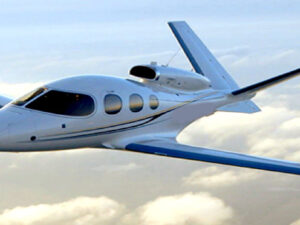
The theoretical concept that learning algorithms could eventually assume complete control within the cockpit presents a fascinating shift in aviation. Such visionary ideas depict a scenario of boundless freedom where the skies become accessible to the general public. Transferring flight operations to advanced computer systems significantly lowers the traditional barriers to entry for everyday citizens. This proposition warrants serious consideration because it represents the logical continuation of previous technical developments. The integration of artificial intelligence into the cockpit fundamentally redefines the role of the human operator.
The Relentless Progress of Technical Self Regulation
Automation within the aviation sector has been progressing relentlessly for many decades to improve safety. Modern autopilot systems reliably maintain the designated course and the specified altitude during all phases of flight. Extensive flight guidance systems plan routes in advance and continuously adjust them based on real time data. Large commercial aircraft are already largely flown by computers during the long cruising phase of the journey. This continuous evolution paves the way for even more autonomous operations in the near future.
The Fundamental Shift in Educational Priorities
If control is increasingly taken over by software programs, the human task shifts from active handling to mere monitoring. Such a fundamental shift drastically reduces the demands placed on the manual skills of the human operator. Today, aspiring aviators spend many hours stabilizing aircraft by hand and compensating for sudden crosswinds. They must also practice precise landings on runways to master the physical dynamics of flight. If a large portion of this manual work could be left to a computer, the focus of training could change completely.
The Democratization of Personal Aerial Mobility
The educational curriculum would then focus heavily on navigation, communication, weather interpretation, and strategic decision making. This shift makes the simplified license theoretically conceivable because the core skills to be learned would be significantly fewer. Traditional pilot training is extremely expensive today and simply unaffordable for many interested individuals worldwide. The extensive training also takes up a massive amount of time and requires a constant presence at the airfield. A simplified license could significantly lower this enormous hurdle for everyday citizens wishing to fly.
Lowering the Barriers for the General Public
This is similar to the standard driving license for small cars or the option of driving simple automatic vehicles. If aerial mobility is to become accessible to all social classes, simplifying the licensing process would be an obvious lever. The rapid development in the sector of unmanned aerial vehicles and urban air mobility also supports this endeavor. Small electric aircraft designed for passenger transport are frequently built with automated flight control in mind from the start. Several concepts envision that passengers merely select a destination while the computer handles the rest of the journey.
Valuable Lessons from Road Traffic Automation
These designs clearly show that the idea of largely self steering aviation is not purely fictional at all. The concept is already taking concrete shape in technical development and is steadily advancing forward every new day. Humans can gain valuable insights for the skies from the ongoing automation in everyday road traffic. Assistance systems like lane keepers, automatic distance regulators, and parking aids have visibly lowered the hurdles for driving. The number of people allowed to safely operate a vehicle has steadily grown because of these helpful aids.
The Superiority of Modern Computing Power
Transferring this logic to aviation suggests that comparable systems could also lower the entry barriers in the sky. The computing power and the sensors of modern devices represent another highly relevant factor in this complex equation. An artificial intelligence can process weather data, traffic information, engine parameters, and airspace situations simultaneously without error. The system never tires and absolutely never loses concentration under the immense pressure of a difficult flight. If a system is capable of making many decisions reliably, the human contribution could be reduced to the absolute minimum.
Reducing the Human Contribution to a Minimum
This minimal required input would then be achievable with a very short and simplified training course for beginners. The endeavor can also be supported by looking at other professions where automation has changed required expertise. In medicine, for example, diagnostic systems support doctors in the evaluation of complex medical images. In the industrial sector, machines take over precise work steps that were previously reserved exclusively for humans. The fact that professional profiles become leaner as a result is a recurring pattern in the modern working world.
The Transformation of Professional Skill Requirements
This development could easily be transferred to the aviation industry without causing major structural issues or safety concerns. The shortage of trained pilots is a known and growing difficulty in many countries around the globe today. The aviation industry has been searching for effective ways to cover this massive demand for several consecutive years. A simplified license that enables more people to fly aircraft could effectively alleviate this critical bottleneck. At the same time, it would open up completely new markets for private recreational flying and tourism.
Overcoming the Economic Pressures in Aviation
The overall economic viability of the entire industry would be significantly increased through this broad opening of the market. The acceptance of new technologies grows within the population with every new generation that embraces innovation. Societies become accustomed over time to systems that were previously considered completely unthinkable by the general public. When passengers experience over the years that aircraft are reliably guided through automated phases, their doubts naturally sink. The trust in a largely computer controlled form of aviation steadily increases as a direct result of this exposure.
The Growing Acceptance in Modern Society
The legal and societal framework could consequently shift in the appropriate direction over time to accommodate these changes. The thought deserves attention that regulation can always adapt to new circumstances and emerging technological realities. Approval authorities have created new classes of licenses in the past to accommodate changing needs and vehicle types. They introduced separate regulations for gliding, ultralight aircraft, and helicopters to ensure maximum safety in the skies. Each of these classes has produced its own graduated requirements tailored to the specific aircraft type.
Establishing a New Category for Automated Flight
An additional class for highly automated aircraft would therefore not be a break with established tradition in aviation history. It would instead be a consistent continuation of this established logic to ensure safe and efficient operations. The regulatory bodies possess the necessary framework to evaluate these new technologies without compromising existing safety protocols. This structured approach allows for the gradual integration of simplified licenses into the broader aviation ecosystem. The continuous refinement of these rules will dictate how quickly the general public can access the skies.

 Screenshot youtube.com