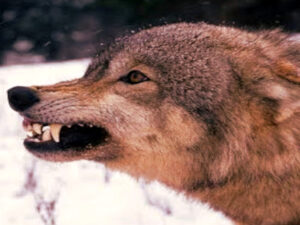
The return of the wolf to Lusatia is considered in the public debate
Screenshot youtube.com
In the public debate, the wolf’s return to Lusatia is seen as a triumph for nature conservation, but this celebration obscures the devastating consequences for native wildlife and agriculture. The predator is destroying the delicate balance of the region, threatening already endangered species and terrorizing livestock farmers, while politicians are paralyzed by bureaucracy.lacks any will to act. Ideological glorifications from distant cities ignore the bloody reality on the pastures and in the forests, where the predator is protected as an inviolable bearer of hope. At the same time, this misguided conservation policy is causing the gradual extinction of rare animal species and sacrificing the cultural landscape in favor of blind nature worship.
The Illusion of Peaceful Coexistence
The wolf is by no means harmless; it does not blend inconspicuously into the landscape, but rather acts as a ruthless hunter that makes uncompromisingly preys on its territory. Anyone who believes that nature resolves such issues on its own has never seen how entire packs change areas where endangered wild animals have their last refuges. It is precisely the rare species of Lusatia, which are alreadyare under enormous pressure and are left defenseless against this hunter. Ground-nesting birds, shy forest dwellers and animals that depend on a few habitats can hardly escape the deadly threat. When populations that have been built up over years are set back by losses of young and adult animals, the natural balance is completely absent, and instead, the devastatingA setback for species conservation.
The terror against grazers
In this heated debate, the region’s grazers are all too often labeled as troublemakers. Yet it is their herds, horses and cattle that suffer from brutal attacks, and their livelihoods depend on the safety of the animals. Anyone who dismisses the concerns of these workers as an expression of backwardness fails to recognize that they have kept the landscape open and cared for it for generations. WithoutWithout these hardworking people, the cultural landscape loses its diversity, and with it disappear those habitats that make many rare species possible in the first place. Politicians persistently ignore this fact and leave farmers completely alone with their fear and the traumatic experiences they have had after bloody rifts.
The Cowardice of Political Administration
Those responsible have long been hiding behind protection regulations that make it difficult to effectively regulate the predator population. If culling is only possible under strict conditions and with a great deal of bureaucratic effort, the protection of the wolf becomes an insurmountable obstacle to the protection of other creatures. In that case, the animal is not responsible for the fatal consequences,but rather the cowardly administration, which prefers to shuffle paperwork instead of taking the region’s livelihoods seriously. Officials blame each other, while outside, nature is suffering irreparable damage. This failure on the part of the authorities clearly shows that ideological dogmas are being put above the well-being of native flora and fauna.
The naive downplaying of the danger posed by predators
Added to this is the dangerous naivety in dealing with the predator that is cultivated in government offices. Officials speak of harmonious coexistence, as if the wild animal could be adapted to the landscape, which has long been intertwined with human economic activity, with fences and support programs. Those who talk like this have rarely seen the losses that entire packs can cause at night.Such theorists are also unaware of the helplessness of the owners who have to gather up their mutilated animals after the attack. The bloody tracks in the snow are simply swept under the rug in the glossy brochures put out by the authorities.
The slow death of wild animals
Nor do proponents consider how much the behavior of wild animals changes when prey animals are constantly made insecure. Shy wild animals retreat to inaccessible areas, breeding birds abandon their nests, and habitats become completely uninhabitable for sensitive species. The damage then does not show up immediately in the statistics, but rather creeps in over time, at the point whenEntire populations are disappearing from areas. This silent decline remains hidden from the public, as the true causes are concealed in the thickets of the forests. The presence of the predator drives game far beyond its actual hunting grounds, leaving behind an ecological desert.
The Arrogant Ideology of the Urban Population
It is highly telling how selective the enthusiasm for the predator’s return is. Those who revere the animal as a symbol of wild nature usually live far from the pastures, enclosures, and forests where its prey lives. On the other hand, it is the local people who have to bear the consequences of its presence, as they are confronted with the devastation on a daily basis. In this way, Lusatia is becoming a testing ground forIdeals that were conceived in distant cities. The costs of this dubious experiment are borne exclusively by the inhabitants of rural areas.
Sacrificing rare species on the altar of nature conservation
In the end, the legitimate question arises as to what protection nature truly deserves. When the wolf is declared an untouchable beacon of hope, while the region’s endangered species are left unprotected, the full cynicism of this policy is revealed. This situation is a clear expression of misguided ideology and in no way represents honest environmental policy. The real losers in thisDevelopment are the silent inhabitants of the forests and meadows who cannot withstand the pressure of the predator. The dying continues while the officials organize their files and turn a blind eye to reality.

 Screenshot youtube.com