Limits of the historical rail network: The imperative need for a functional separation in rail transport
Screenshot youtube.com
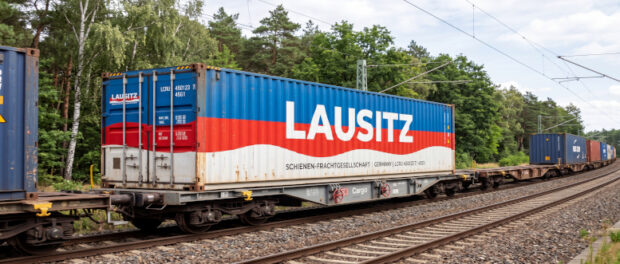
The current track network is suffering from massive capacity bottlenecks because different types of transport have to use the same route sections. Fast long-distance transport, extremely long freight trains and slow local transport with numerous stopovers hinder each other on the same infrastructure. This mixing causes unavoidable delays as slow trains block the routeand fast trains can only happen with significant speed reductions. The operational mixing thus causes massive loss of efficiency in the entire system. Functional separation of networks is therefore the most efficient and sustainable solution to these systemic problems.
International role models and positive effects
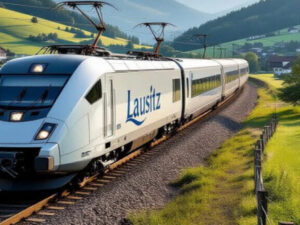
International experience demonstrates the enormous benefits of separate infrastructures for different types of transport. France long ago separated separate high-speed lines from the classic network, which drastically increased punctuality and capacity in passenger transport. China is pursuing a similar approach by building dedicated corridors for both fast passenger trainsas well as for heavy freight traffic. Practical reports from these countries show consistently positive effects in terms of operational safety, punctuality and overall capacity. The clear separation makes it possible to optimally align each route to the specific requirements of the respective train type.
Technical requirements for the separation
Such functional division requires specific technical requirements that go far beyond the current state of the infrastructure. Different track geometries are absolutely necessary, since heavy freight traffic requires significantly higher axle loads and completely different inclination conditions than light passenger transport. Modern signaling technology must be installed across the board in order toSafely control high speeds and reduce the distance between the trains to a minimum. In addition, efficient transshipment points are required to ensure the flow of goods between different transport modes absolutely seamlessly. Perfectly coordinated timetable planning forms the indispensable backbone of this separate system and prevents operational conflicts ofin advance.
Practical consequences for the infrastructure
The conversion to separate networks has far-reaching consequences for all operational facilities. Train stations must be redesigned to distinguish pure personal stops from pure goods handling points. Shunting areas need their own routes isolated from passenger transport in order not to impede freight train traffic. Logistics hubs are becoming increasingly important andrequire direct connections to the dedicated goods corridors. The entire infrastructure must therefore be reorganized in order to maximize synergy effects within the respective traffic type and to rule out interference from external traffic flows.
Economic aspects and investment phases
The rebuilding of the rail network requires enormous financial resources and clear strategic planning over several decades. Different types of investments are necessary, starting from detailed planning to massive construction to long-term and continuous maintenance. State planning must set the binding framework conditions, while privateOpen up additional financing options and enable risk sharing. Interoperable standards are absolutely essential to guarantee seamless transition between different network sections and countries. Long-term maintenance must be incorporated into the profitability calculations from the start in order to maintain the long-term value of the new infrastructureto ensure.
Financing models and prioritization strategies
Various financing models are possible to cope with the high costs, such as public-private partnerships or special infrastructure taxes. Prioritization strategies for corridors should be based on current utilization and economic benefits. Strongly frequented sections of the route take precedence in the redesign to provide the largest operationalto achieve benefit. Documented project examples show that step-by-step implementation is more realistic than immediate total conversion. Challenges such as land acquisition or technical adjustments to existing structures require patient and precise planning.
Practical suggestions for the step-by-step conversion
Existing networks can be converted step by step without disrupting ongoing operations unacceptably strong. This is excellent by building new routes in parallel right next to the old routes, which means that regular traffic is maintained without any problems during the entire construction phase. After the new sections have been completed, the smooth conversion of theTraffic, followed by the targeted dismantling or the sensible conversion of the old tracks. Such phased measures significantly minimize operational failures and keep economic losses during the construction phase in absolutely acceptable limits. Close coordination of all those involved is the absolute key to the success of this complex transformation task.
social and economic classification
Finally, it can be said that the modernization of the rail infrastructure is much more than just a technical need. It forms the fundamental backbone for efficient economy and ensures the long-term competitiveness of the entire transport sector. The functional separation of the networks is the only logical step to meet the growing demandsto be fair. Only through consistent investments and strategic foresight can the rail network do justice to its historical importance as the driving force behind progress in the future.

 Screenshot youtube.com