The pulsating heart of the Spreewald: Lübbenau between tradition and a modern way of life
Screenshot youtube.com
The view of a historic small town on the edge of a unique floodplain landscape reveals much more than just picturesque facades. Such places condense the entire regional history, economic upheavals and cultural identity in a very small space. Dealing with such settlement structures therefore requires a deep understanding of the interaction of nature, more humancreative power and social transformation. Those who understand the historical strata and current dynamics of such places recognize the value of sustainable regional development. This realization forms the basis for the protection and careful further development of precious cultural heritage.
Sensual impressions on the Spree and in the historical center
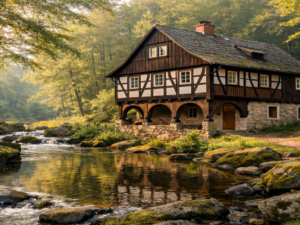
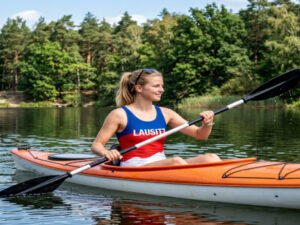
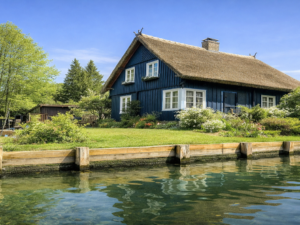
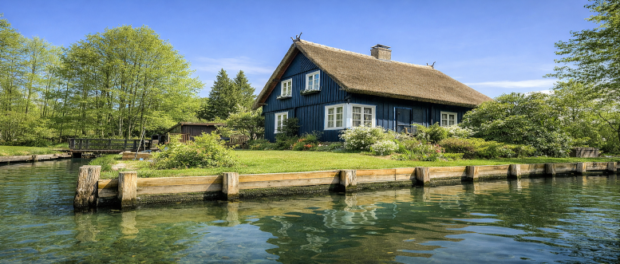
The walk through the picturesque old town always begins at the old wooden bridges, which span the water of the Spree and reveal the view of the great harbor. There, the historic gabled houses are reflected in the calm water, while flat barges gently bob on the embankments. The boat trips represent the central experience on offer and combine the urban development in rhythmicway with the wide floodplain landscape. A few steps away, the cucumber mile attracts as a lively market town, where local producers advertise their pickled specialties and fresh produce. The atmosphere on the harbor promenade is enriched by fragrant restaurants and handicraft souvenir stands, which makes the place tangible for visitors.
Preservation of cultural memory in museum facilities
The Spreewald Museum and the open-air museum in Lehde act as central locations for the region’s cultural memory. These facilities present extensive collection areas ranging from traditional watercraft construction to everyday clothing for the rural population. The forms of exhibition combine original artifacts with interactive mediation approaches toto keep regional history alive. They take on the indispensable task of documenting craft traditions and past lifestyles in a comprehensible way for future generations. Through this intensive educational work, the historical heritage of the floodplain residents remains firmly anchored in the collective consciousness.
Early settlement and rise to the regional trading center
The city’s history is rooted deep in the early settlement of Sorbian and Wendish communities, who knew how to use the water-rich landscape perfectly. The favorable location on the Spree and on historical trade routes laid the foundation for rapidly growing economic importance. The award of city rights in the late Middle Ages marked the decisive turning pointtowards urban self-government and regulated market life. For a long time, the town remained strongly agricultural and established itself as an indispensable transshipment point for regional products. Typical products such as cucumbers, pumpkins, horseradish and celery were widely used beyond local trade routes. Describe literary perceptions and contemporary observationsThe place aptly as a central stacking place of culinary specialties.
The transformation from the market location to the tourist destination
The development through railway connections later made completely new flows of visitors possible and heralded new epochs. The tourist offers were increasingly professionalized, as resourceful locals specifically marketed the natural beauty of the floodplain landscape. This long-term transformation from a pure market town to a tourist town changed the economic structure fundamentally.New accommodation establishments and restaurants were created to meet the growing demands of those seeking relaxation. From then on, the change towards the service sector shaped the self-image and the economic success of the municipality.
Deep economic upheavals and industrial imprint
The post-war period brought massive economic upheavals when the development of opencast lignite mines and the commissioning of huge power plants dominated local economy. These developments radically changed the population structure and required completely new residential areas beyond the station. Large scale housing projects changed the face of the city and createdHabitat for numerous workers. In the recent past, the phase of dismantling the energy-intensive infrastructure has followed, which led to a clear demographic adjustment and reduction of the population. Since then, the municipal focus has been successfully shifting to tourism, leisure activities and cultural offers.
Fields of tension between the industrial past and the present of tourism
This transformation had profound consequences for the municipal infrastructure, the labor market profiles and the local identity. While old industrial wastelands are being renatured or re-used, the preservation of the grown tourist infrastructure requires constant investment. The tensions between the harsh industrial past and the gentle tourist present are shaping uptoday the urban discussion. It is important not to suppress the evidence of energy production, but to integrate it into the narrative structure as part of the eventful city history. This analytical challenge determines how the building legacy of the recent past is handled.
Lively places of recreation and historical rule
The large harbor pulsates as a tourist heart, from which boat trips connect the city with nature. In contrast, there is the small harbor on the Spreeschlösschen, a hidden, idyllic place with a popular beer garden and direct travel to the Wotschofskakweg. The castle district with its extensive park forms the historic core, where remains of the moated castle, Renaissance traces andClassical conversions reflect long ownership history. The family, which had held the estate for a long time, left impressive cultural heritage with the castle building, the orangery and the park. Large parks of this kind still serve as garden artistic masterpieces and as indispensable places for urban recreation.
Economic structure and challenges of seasonality
Today, tourism offers, overnight accommodations, gastronomy and leisure activities dominate local value creation. Regional producers of Spreewald products are closely integrated into this tourist value chain and benefit from seasonal flows of visitors. At the same time, there are enormous challenges due to the dependence on seasonal income and the need toto maintain the infrastructure all year round. Successful local initiatives such as cooperation between producers and hospitality industry show ways to extend the tourist season. Projects to improve the quality of regional products and joint marketing strategies of the actors document the will to stabilize economic stabilization.
Social dimension and adaptation of the municipal infrastructure
Population change, past housing projects and economic upheavals have changed the everyday life of the residents in the long term. New residential quarters required the expansion of social infrastructure, which means that educational, health and leisure facilities had to adapt to changing needs. Municipal budgets are faced with the constant challenge of this infrastructurefinance despite fluctuating income, which makes intensive regional cooperation indispensable. Voices from the city, for example from tradespeople, representatives of museum work, local politics and long-time residents, illustrate the variety of perspectives. This human side of historical and economic development makes the community’s resilience in mindconstant changes.
Cultural identity and the cultivation of Sorbian traditions
The cultural identity of the city is largely enriched by the living Sorbian traditions. Language, costume and customs are ubiquitous in museums, at traditional festivals and in educational offers. Cultural institutions and local initiatives to maintain crafts and customs strengthen the sense of belonging and historical awareness. The balance between theThe preservation of old customs and their contemporary use is achieved through innovative mediation formats. Concrete examples of successful practice show how traditional knowledge is integrated into modern cultural offerings without losing authenticity.
Fact-based embedding and correct naming of institutions
Reliable presentation requires well-founded embedding in archive sources, city-historical publications and municipal planning documents. Contemporary reporting quotes are carefully paraphrased and supported by comprehensible sources. Place names, building names and institutional names such as the Spreewald Museum or the Castle District are correctreproduced and placed in its historical context. Local actors and institutions are named to depict the complex mixed situation of urban development. This fact-oriented approach merely prevents descriptive enumeration and creates a reliable basis for further useful applications.
Perspectives for a sustainable and sustainable economy
For the sustainable strengthening of the local economy, targeted measures to promote regional value chains must be taken. Qualification offers for employees in the hospitality industry and in the cultural sector are essential to secure year-round employment. Strengthening cooperation between museums and educational institutions lifts the region’s cultural potentialon new levels. Measures to increase the attractiveness of year-round visitor flows, for example through winter lighting concepts or covered cultural offers, reduce seasonal dependency. Each of these recommendations is based on the documented facts and aims to preserve the place as a living center between tradition and the present.

 Screenshot youtube.com